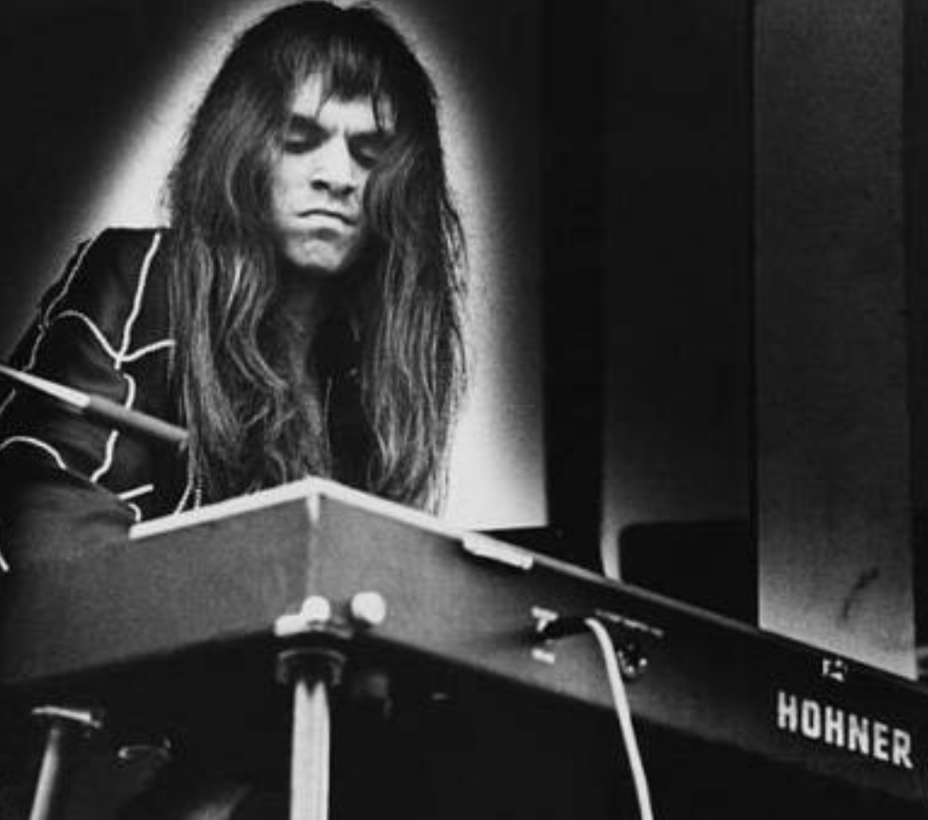
The players who inspired, educated, influenced and entertained me
I started this article thinking my top 10 choices for my favourite keyboard players would be relatively clear and easy to make. Oh, how wrong I was. My shortlist quickly blew out beyond 30. I managed to cull that list to 25 that are really all worthy of a top 10 position, having all played some role in my approach to playing or even just thinking about how to approach playing keys in a rock band. In the end I had to settle for a Top 12 (ish).
So before we get into the list proper, I’d like to pay homage to those that ultimately dropped out of the top 12. No doubt that many of these would make someone else’s favourites list. I’ll call them alphabetically to avoid placing anyone above another on merit or any other criteria:
Richard Barbieri (Japan), Lachy Doley (Joe Bonamassa), Ken Hensley (Uriah Heep), Keith Jarrett (jazz pianist), Manfred Mann (Manfred Mann’s Earth Band), Kerry Minnear (Gentle Giant), Toivo Pilt (Sebastian Hardie), Billy Preston (The Beatles), Eddie Rayner (Split Enz), Benmont Tench (Tom Petty’s Heartbreakers) and Rick Wakeman (Yes, David Bowie).
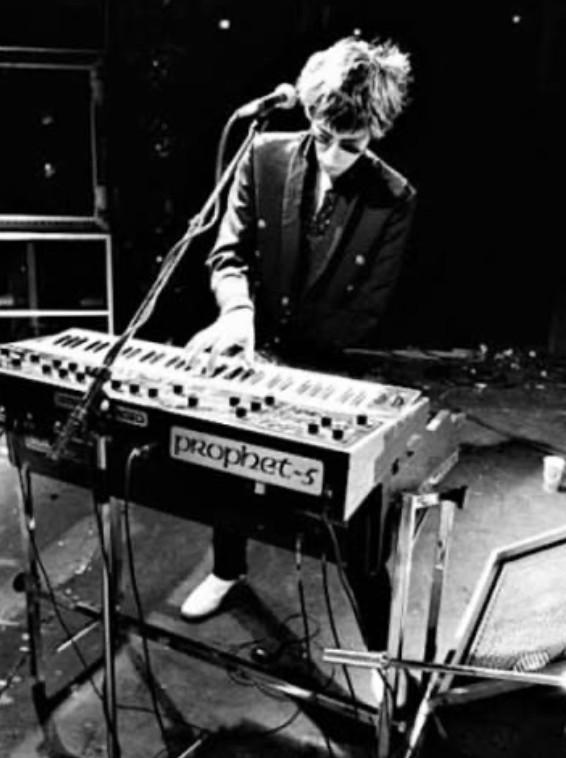
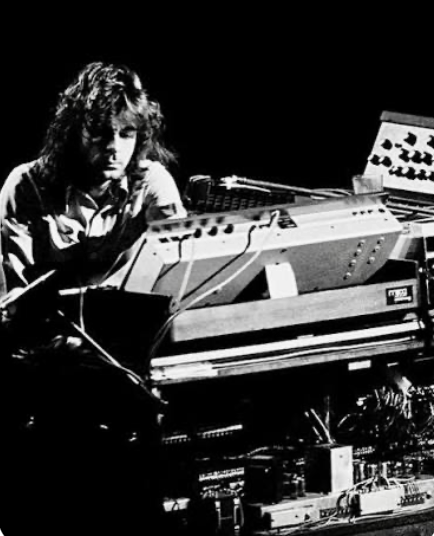
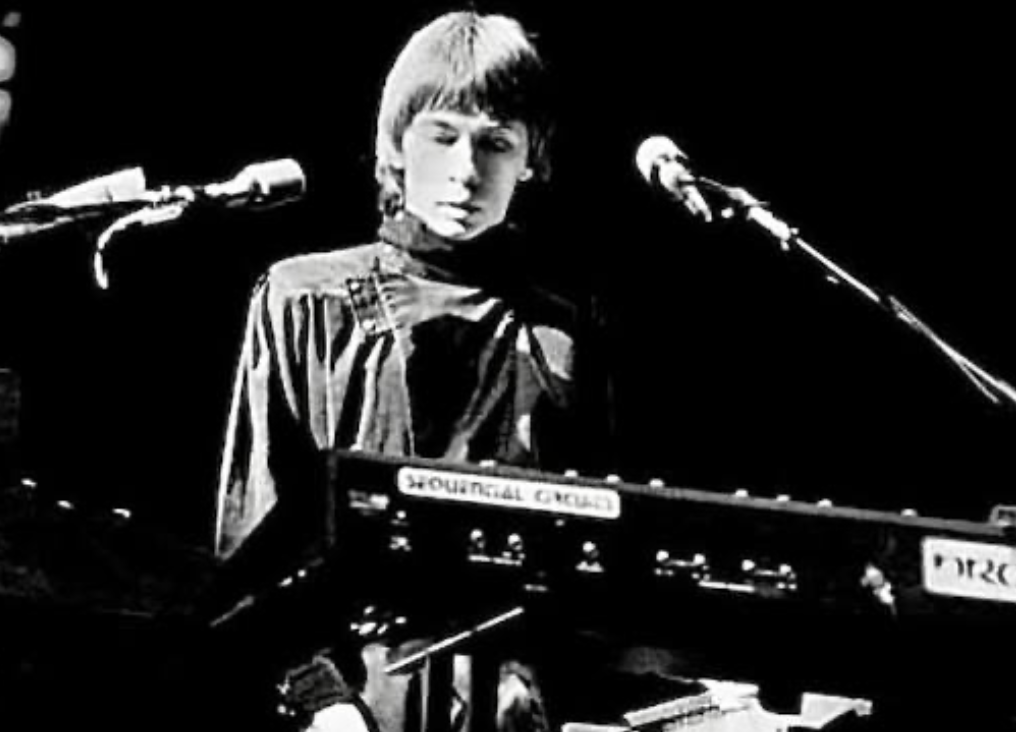
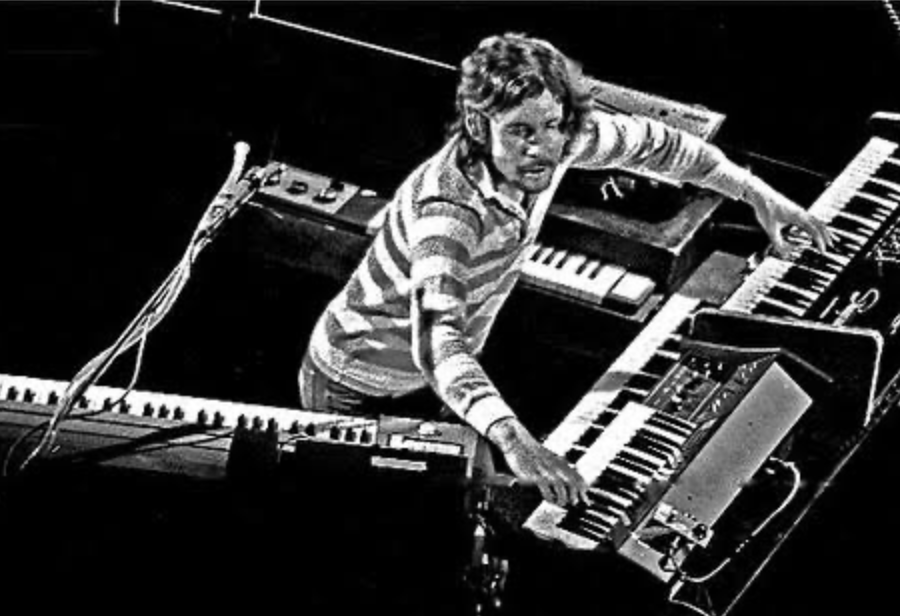
OK, having got that off my chest, let’s move into the final top 12 (which is actually 13) and I’ll try to explain why. It’s not all about technical skill or virtuosity. If it was then Rick Wakeman and Keith Jarrett would have to be near the top of the list. For me, it’s about the contribution they made to the music itself. It’s the sound palette that they accessed, the innovation, the performances and, decisively, what it made me feel. Most of these players I have directly or indirectly sought to emulate in some way or another over the years, be it the textures they created, the styles they employed or the way they pushed keyboards to the fore of the projects they were involved with.
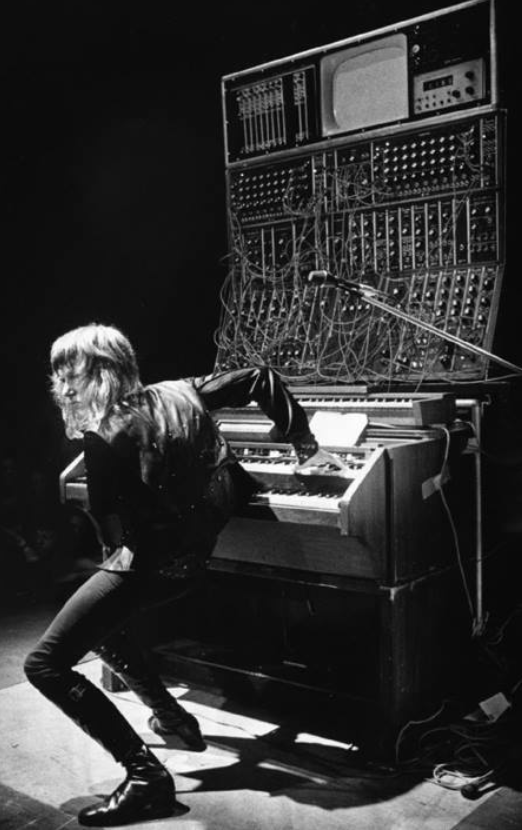
Keith Emerson - Emerson, Lake and Palmer
His selection at #1 is partly nostalgia - he was my first major musical hero - partly a nod to his status as an innovator and partly acknowledgement that he, almost single handedly, brought keyboards from the back of the stage to the front. Of course, he IS technically right up there with the best of them. Ironically, and perhaps in direct conflict with my judging criteria, I find much of ELP’s music difficult to listen to these days, or at best in very small doses. The king of the Hammond organ and the Moog synthesizer, Keith was the undisputed pace setter for live performance theatrics from behind the black and white keys. Taken tragically way too soon.
Must See: Karn Evil 9 Pt 2 from Brain Salad Surgery (1973)
Must Listen: Karn Evil 9 Pts 1, 2 and 3 from Brain Salad Surgery (1973)
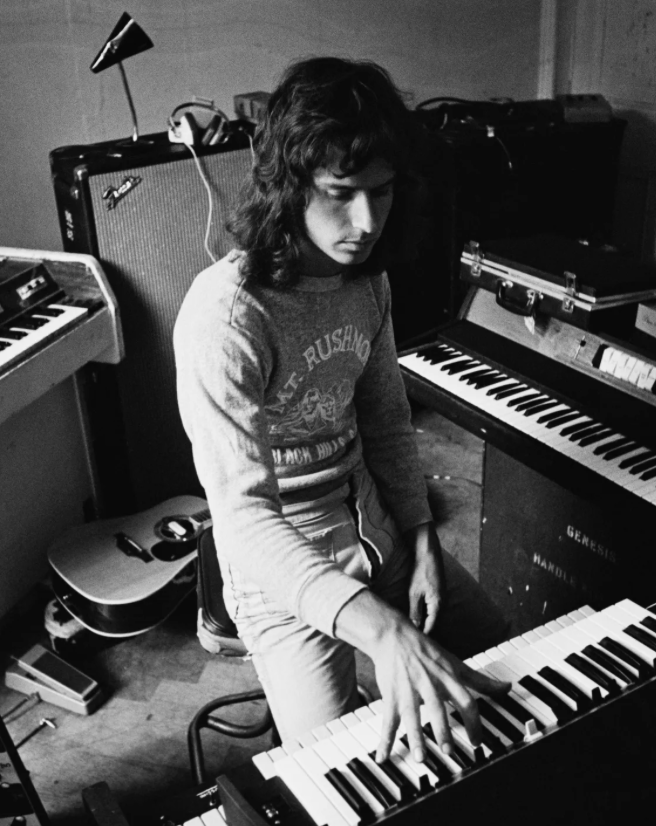
Tony Banks - Genesis
The 70’s prog rock boom gave license to keyboard players to join singers and guitarists as the stars of the show, and Genesis would not have been the band they were without the prodigious talent and skill of Tony Banks. His playing usually set the mood for each section of music, be it with classically inspired piano (Firth of Fifth), powerful organ and mellotron chord sequences (Watcher of the Skies) or evocative ‘synthscapes’ (Los Endos). The music of Genesis is always presented as a collaborative effort between all or most members, but Banks is clearly a masterful composer and the band would have sounded very different without his contributions. Unlike ELP, 70’s Genesis records remain very listenable for me. Less so their 80’s output.
Must See: In the Cage / Afterglow live in Birmingham, UK (1984). 3 min 15 secs if you want to jump to the solo.
Must Listen: Firth of Fifth from Selling England by the Pound (1973)
Dave Greenfield - The Stranglers
I first encountered The Stranglers as a 17 year old when my older brother returned from a trip to Sydney with a copy of their Rattus Norvegicus album in his bag, shocking me out of my prog rock slumber. A year later their Black and White album came out, just as I was heading to Sydney from Goulburn to find fame and fortune. It dominated my turntable for months. The blend of aggression and skill was intoxicating and Greenfield’s distorted electric piano arpeggios and discordant synths sat curiously well over the driving rhythms of JJ Burnell and Jet Black, while Hugh Cornell snarled and swaggered around the maelstrom. Dave’s synth solo in Nice n’ Sleazy was the inspiration for the abrasive synth solo I played on the original recording of Gimme Head.
Must See: Toiler on the Sea (can you pick the band name it inspired?) from Black and White (1978)
Must Listen: Curfew from Black and White (1978)
Mike Garson - David Bowie
Mike Garson has to be one of the most unique players in rock, applying jazz piano techniques and avant garde stylings into rock music settings. The first time I heard him I was just blown away and have attempted to emulate him, albeit in a much simplified way, several times over the years. A feature of his performances was not only his playing, but the piano tone he created on record, sparkling yet rich, as he utilised all 88 notes on the keyboard. He elevated every Bowie song he played on.
Must See: Aladdin Sane from Aladdin Sane. 2 mins 15 secs if you want to jump straight to the solo.
Must Listen: Aladdin Sane from Aladdin Sane
Brian Eno
Many might argue that Eno was never truly a keyboardist, as such, but his synthesiser noodlings had a major impact on me as a teenager, particularly on his early solo albums, before he went full ambient. His impact as a producer (Talking Heads, U2, James, Slowdive etc) is also unquestioned, as were his collaborations with Bowie and Robert Fripp. His approach to sound creation meant that his records really didn’t sound remotely like anyone else.
Must Listen: Golden Hours from Another Green World (1975)
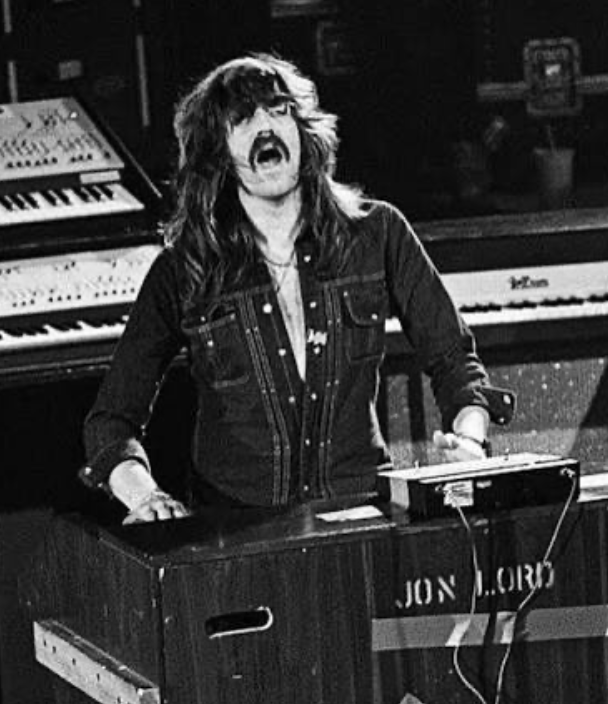
Jon Lord (Deep Purple)
Jon Lord had arguably the most distinctive sound of anyone on this list, despite it coming primarily from an instrument - the Hammond B3 organ - that has a limited tone pallette. By routing the organ through overdriven Marshall guitar amps into Leslie speakers, he was able to compete with Deep Purple’s famed guitarist Ritchie Blackmore for power, intensity and volume, all done with an understated virtuosity. In fact, on many songs the Hammond works very much like a second guitar part. Woman From Tokyo from the album Who Do We Think We Are? is a great example of this. To this day, the Jon Lord Hammond patches on my keyboards are a regular ‘go to’ for me, whether we’re playing a Deep Purple song or not.
Must See: Keyboard Solo / Lazy live in Melbourne (1999)
Must Listen: Rat Bat Blue from Who Do We Think We Are? (1973) - solo starts at 2min 11secs.
Thomas Dolby
Apart from the hit She Blinded Me with Science, my first real deep dive into Thomas Dolby came when I picked up a copy of his album The Flat Earth from EMI America, when we were in Los Angeles working on new material for what would become the Life’s A Gamble album. I then saw him live at the Greek Theatre in LA on that same trip. He was a real pioneer of the 80’s synth sound and one of the early Fairlight CMI users, along with Peter Gabriel and Kate Bush, which opened up a whole new world of sounds for keyboard users in the studio. Discovering both his earlier and later albums has been a joyous journey. He’s also a fine jazz tinged pianist (I Scare Myself), and there are so many highlights in his catalogue it’s very hard to recommend just one track as a ‘must listen’. I’ve had the pleasure of meeting him and talking music with him on a couple of occasions.
Must See: One of Our Submaines live performance video (2009 Digital Remaster)
Must Listen: Mulu The Rain Forest from The Flat Earth (1984)
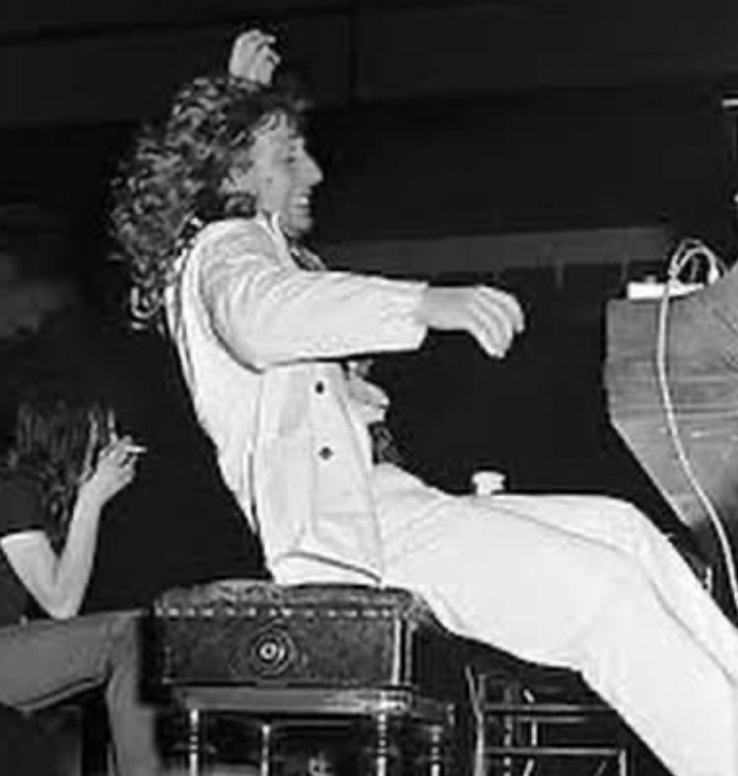
John Evan (Jethro Tull 1970-1980)
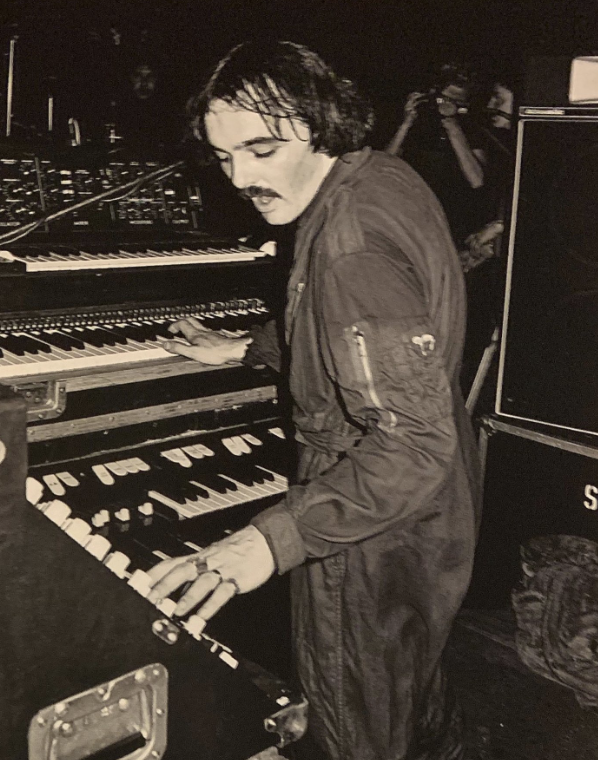
John Evan played keyboards for Jethro Tull during the most prolific and successful stage of their long and storied career (1967-present, less a few years in hibernation). He played on all of the ‘classic’ albums - Aqualung, Thick as a Brick, Passion Play, Warchild and more. He dealt primarily in acoustic piano and Hammond organ and played with a style that swung between blues and classical. My band in high school - ‘Abbey’ - played Locomotive Breath, but not with his brilliant piano intro which I never quite mastered at that early stage of my playing. Friends of mine lived in the same village in the UK where, post Jethro Tull, he ran a construction business, and they were shocked to learn of his rock and roll pedigree, which he never spoke about or big noted. According to Wikipedia, he now apparently lives in Melbourne.
Must Listen: The piano intro to Locomotive Breath from Aqualung (1971)
Steve Nieve - Elvis Costello and the Attractions / Imposters
I loved Elvis Costello’s music right from the first listen, which was probably Alison from My Aim is True. When I joined the Radiators in early 1979, Pump it Up was one of two cover versions I needed to learn, and that included Steve Nieve’s distinctive organ parts. Then came Oliver’s Army, complete with its Abba (Dancing Queen) inspired piano highlights, which we play in my current band, Vintage Vinyl. Steve was one of those players who knew how to play background when required but clearly preferred to be in the limelight. A big personality that came through clearly in his quirky and unique playing style.
Must Listen: Oliver’s Army from Armed Forces (1979)
Rick Wright - Pink Floyd
Richard ‘Rick’ Wright was rarely prone to flashy playing or extended solos. Within the confines of Pink Floyd that was mostly left to guitarist David Gilmour. However, his contribution to the ethereal textures, pulsing grooves and timeless melodies was significant, dare I say pivotal. His playing evolved as the band did from the 60s to the 90s, from the quirky piano and Farfisa noodlings of the Syd Barrett era songs, his considerable contributions as a singer, pianist, organist, synthesist and composer on the classic Dark Side of the Moon album, to the sublime layered soundscapes of Wish You Were here and beyond. He was, for a time, collateral damage to the Waters-Gilmour feud, undervalued and seemingly replaceable, but fortunately he found his way back before his untimely passing in 2008. In fact, he appears on every Pink Floyd album except The Final Cut. His two solo albums merit a listen alongside the incomparable Floyd catalogue. He was also a multi instrumentalist, having strong command of guitar, flute, cello, trombone, violin, saxophone, bass and drums. Classic cuts include his relatively simple yet perfect piano and organ on his composition, The Great Gig in the Sky (Dark Side of the Moon) and his Egyptian scale meanderings on Set the Controls for the Heart of the Sun (Live at Pompeii).
Must Listen: Shine On You Crazy Diamond Pt 6 - from Wish You Were Here (1975)
Greg Hawke - The Cars
Greg Hawkes playing is all about counter melody, rhythm and sound selection, adding colour and complexity to The Cars music without the need for flashy solos or virtuoso playing. It’s always a masterclass in putting the song first. His textured layering on their hit song Drive is a great example of this. His sounds varied from straight forward to iconic. The synth sound in the choruses of Let’s Go is a great example. At the time we’d never heard anything like that. Despite having two guitarists in their lineup, including the sublime playing of Elliot Easton, many of their songs are really synth heavy, with keys often occupying the space normally taken up by rhythm guitar in typical rock songs.
Must Listen: Heartbeat City from Heartbeat City (1984)
Dave Greenslade and Dave Lawson - Greenslade
I’m going to cheat a little here and combine two into one, and not just because they’re both named Dave. These particular Daves were the centre piece of one of the few rock bands to feature two genuine keyboard virtuosos, and no regular guitarist. And it was often hard to know which parts were whose on their records, though the flashy solos generally belonged to vocalist Lawson, who possessed a crazily fast right hand, while Greenslade provided the texture and movement from his orchestral mellotron leanings and acoustic piano stylings.
Must Listen: Catalan from Time and Tide (1975)