WHO HAD IT BEST? The pros and cons of a music career today vs the 1980s
I wrote an article recently about how great the 80’s was for gigging and recording for rock and pop artists, with a thriving live scene, well funded, optimistic record labels and an economy that invested in the ‘industry’ of music in order to reap the returns from a young audience that lived and breathed it - and spent money on it. It’s well understood that many of those things evaporated as the new century took hold and today’s players struggle to find gigs, or make anywhere near a decent living from the ones they can get. We are seeing venues closing constantly, as they battle to make ends meet in a rapidly changing entertainment, drinking and business climate.
But what about the things that today’s artists have that we couldn’t have even imagined back then? Audio and video streaming services that put almost any music you want to hear or see, right at your fingertips. Social media channels that provide you with direct access and contact with fans, facilitating a two way conversation that informs in almost realtime. Digital recording technology that enables musicians to affordably produce music in their home studios or almost anywhere, with sound quality that can rival or surpass the massively expensive recording studios of my day. Access to a massive library of software instruments and sounds that would have (or did) cost us tens or even hundreds of thousands of dollars back in the day for their hardware equivalents. Ecommerce platforms that allow you to sell your music directly to the public, no record company required - although there is still no shortage of other middle men with their snouts in the trough. And it’s not just your music but your merch or even customised and specialised content that you can easily monetise through these channels.
INDEPENDENCE vs CONTROL
The picture I’ve just painted suggests that today's artists have it pretty good, and should be laughing all the way to the bank/stadium/studio or wherever their preferred ‘destination’ is. Certainly, they have immeasurable independence over their ability to make and distribute their music. We (musicians in the 70’s and 80’s) were largely at the mercy of the record labels. Firstly, they controlled who even got to make release quality music. The cost of studio time was generally out of the reach of most artists, particularly those that had given up their days jobs in order to pursue their dreams, so unless you had a record label - or perhaps some other more benevolent benefactor - you were unlikely to be able to produce anything other than demo tapes or perhaps a one off single or EP. Even if you could produce a finished record (vinyl and/or cassette), the labels also managed, controlled or influenced the manufacturing and distribution channels - primarily record stores - and your fate could be decided on how effectively they supported those channels with physical product. I was reminded recently of the story about Easy Lover by Phil Bailey and Phil Collins. This was a massive worldwide hit, at least top 5 in most western markets. With the exposure it received here in Australia it would have, almost certainly, got to #1 here too, but only got to #55. Why? The two Phils were represented here by two different record labels. Those companies couldn’t agree to terms over the distribution of the record so, despite massive radio and TV airplay, buyers struggled to find the physical product in stores and the song died commercially. Then there was the marketing of music - both the spend and the content to a fair degree - which was also controlled by the record companies. In order to have a hit record, you needed the stars to align on all three of these key areas. But you also, very vitally, needed help from elsewhere.
The radio stations, and to a lesser extent TV stations, determined whether your record would ever be heard by anyone outside of a live music venue or your own circle of friends. No airplay, no hit record. And, once again, you were largely reliant on your record label to achieve this, particularly as a new artist. Even established artists could have a record fail if the radio programmer took a dislike to it and didn’t add it to their playlists. So, your only ‘grass roots’ audience were the fans who came to the shows. Fortunately, the 7 day a week gig circuit meant that you could get to them, and if you were good, interesting, different or lucky enough, word could spread quite quickly.
LACK OF INVESTMENT
So, why is it that we hear so much about how hard it has become to get rewarded for the huge time, effort and investment it takes to become a music artist in the 2020’s? One of the key issues that I see sits squarely at where investment occurs. Investment is a cornerstone of almost every boom business and, while the 60’s to 90’s era record labels signed more dud acts than successful ones, their big, free spending budgets enabled them to do that and still be profitable. Until it all came home to roost in the early 2000’s. As an example I’m very familiar with, the recording, manufacturing, distribution and marketing budget for the Radiators DEBUT record alone would have been in the area of $100,000. The equivalent purchasing power today would be over $400k. And that was for a new band with no previous recorded output! Can you imagine a new Australian artist, independent or signed, having $400,000 invested into their first record now? The problem today is that the ‘industry’ investment is in the platforms - Spotify, Apple, Amazon, You Tube etc - not the artists themselves or their music. Music has become commodotized, used by the platforms as ‘content’ - effectively advertising - to attract users to the services, who then make their revenues from subscriptions and advertising. Here’s a very simplistic snapshot comparison. A typical music buyer in the 80’s might purchase, on average, the equivalent of two long player albums a month - ballpark $10 each - for a spend of $20 which equates to around $90 today. By comparison, a fan with a pro subscription to any of the music streaming services is paying around 1/5th of that amount. Yes, there are more total music fans in the market, but not 5x. And, many, many listeners don’t subscribe at all, preferring to put up with the ads!
THE DISTRIBUTION OF REVENUE
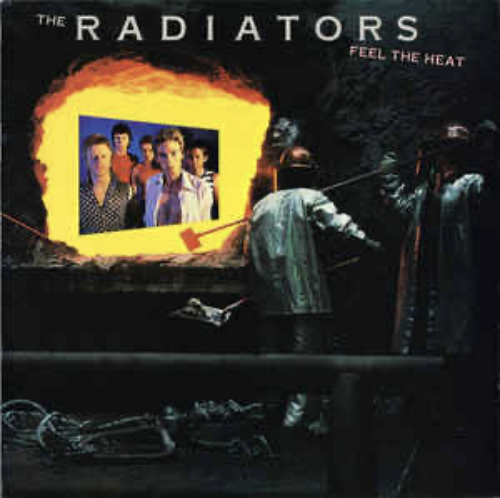
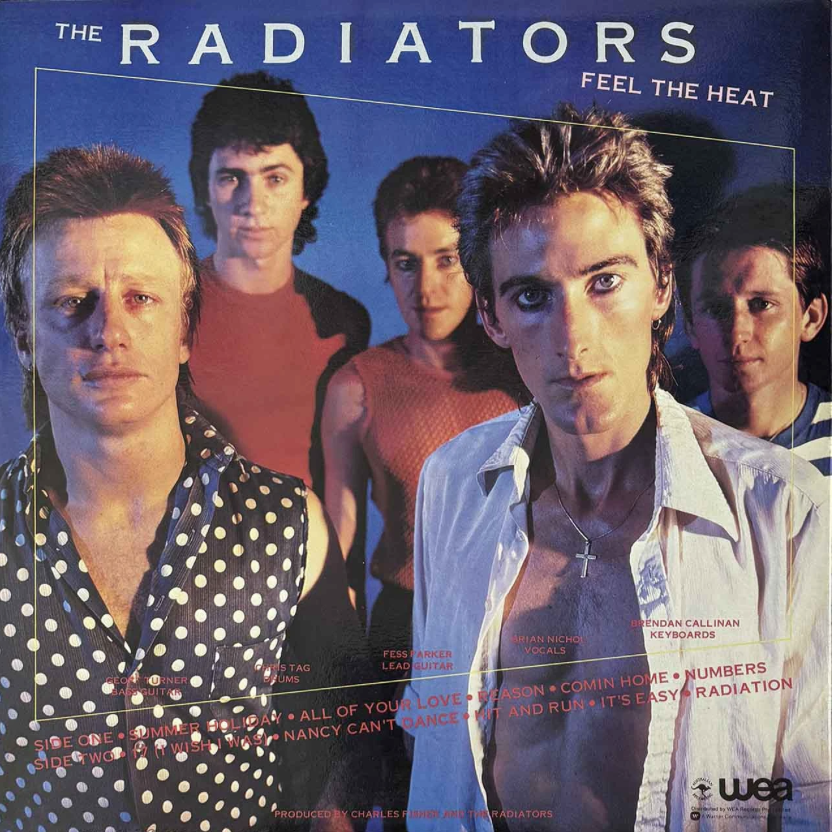
This is where things get really ugly for today’s artists. Typically a signed artist in the 80’s, depending on the status of their contract, could make between 3% to 10% of the wholesale value of their record on each sale. The record companies kept the rest to cover all of their fixed costs plus manufacturing and distribution. The catch - because in the music business there always seems to be one - is that the label usually got to recoup all of their initial outlay before the artist made anything. This included any advance payments to the artists, recording costs, video creation, tour support and some marketing expenses. For many artists this could mean that they would never sell enough records to get their head above the line. Using the Rads debut album Feel The Heat as an example, this meant we had to sell approximately 15,000 albums before we saw any mechanical royalties, using that nominal figure of $100k outlay by the label. Fortunately, we achieved that comfortably, but many, in fact MOST new artists don’t. Sounds like a pretty lousy deal doesn’t it.
Today’s artists distribute their music across all of the available platforms including, but not limited to Spotify, Apple Music, Amazon, Tidal and more. Let’s pick on Spotify, as the biggest, and highlight how they distribute revenue to their artists. They pay, on average, around 0.004 cents per play. To put that in perspective, that’s just $4000 to the artist, for one million streams. Let me try to equate that to my example above from the 80’s. Let’s assume, for simplicity, that there are 12 songs on an album and that they all got played equally (though they never do, even on physical formats like vinyl). Let’s also assume that once you purchased an album, you played, on average, all 12 tracks 30 times in the lifetime of that album, though in reality you probably played your favourites 50 to 100 times and others just a fraction of that. That equates to 360 streams per album buyer which in turn becomes 5,400,000 streams across sales from 15,000 customers. The artists revenue (in today’s money) is $21,600. Equivalent revenue from physical sales in the 80’s? A minimum of $180k or even more if your deal was more generous. Even after a $100k recoupment of costs, the 80’s musician is still miles ahead, even when you multiply today’s earnings across multiple streaming services. Granted, these are fairly simplistic examples, but digging into the complexity won’t change the broader outcome. And without going deeper into the mire, Spotify’s revenue distribution model intentionally disadvantages artists with smaller streaming numbers, so you can potentially make nothing at all until you pass a certain threshold. The average, annual earnings per listed artist on Spotify in 2025 was less than USD$1500 for the year. Meanwhile Spotify's ‘value’ has surpassed USD$100 billion and its founder, Daniel Ek, has a personal net worth of over USD $12 billion, more than 4 times the worth of the four richest musicians on his platform combined. Add in Bezos, the recently retired Tim Cook (Apple) and the other tech platform founders and executives, and the wealth they are making off the music industry is in the stratosphere.
WHERE’S THE MYSTIQUE?
A feature of growing up as a music lover in the 70’s was that your heroes, particularly if they were a little out of the mainstream, were not easily accessible. Shows like Countdown and Sounds Unlimited showed video clips, but primarily only for the chart topping songs. Anything else you might get to see once, if you were lucky. Some bands made or featured in films that might get screened here or there in art cinemas or drive-ins. As fans, we relied heavily on the music press, either the local papers like Go Set, RAM and Juke, the English counterparts Melody Maker and NME or American glossies like Circus. If you were exceedingly lucky your favourite band might tour Australia and you’d get to see them live, though that largely depended on whether you lived in or close to the major cities. The result of this restricted access meant heightened mystique around these artists. As a fan you had to be deeply dedicated to go searching for whatever tidbits you could find to sate your appetite. This began to change in the mid 80’s, with the advent of music television (MTV and other easily accessed programs). Today’s fans have 24 hour access to endless amounts of content built around their favourite artists, be it official video clips, social content, captured film and audio, merch and more. So much so, that much of that content, for many fans, now carries less intrinsic value. It certainly carries less monetary value. In the supposed era of ‘monetisation’, we churn out so much pulp that, for most artists other than the superstars, the value actually declines, and fans seem to me to be LESS likely to pay. They know that there will always something else coming down the pipe the next day or the next week. Within the fine balance of supply and demand, there is literally too much supply.
too much information spread too thin
The haphazard way this ecosystem has evolved adds a further layer of complexity. An artists ‘content’ is spread across multiple music streaming services, video platforms, social pages, their own website, aggregators and other middle man services (ticketing, merch, etc). It’s confusing and problematic for both artists and fans. The industry is screaming out for the rise of a ‘one stop shop’, a singular service where fans can access everything related to their favourite artists - music, video, social content, merch and other physical product, ticketing, personalised experiences and unique, curated events. Some colleagues and I attempted to develop this years ago but couldn't find enough financial backing. It seems that we were about 5 years ahead of the times, as there are now dozens of iterations of this idea in development, and some will rise to the top.
There are two areas that appear to me to be working in the favour of modern artists in some fashion. The use of technology in the area of performance royalties (radio, TV, live play) and licensing (film, TV and advertising soundtracks) has evolved to the point where artists can more easily identify and be paid for performances of their recorded and registered works. Advancements and acceptance of blockchain technologies can and will play a greater role here, expediting payments to artists and ensuring greater transparency over intellectual property. This is a sorely needed upgrade after decades of exploitation of artists by some sections of the industry.
The other area is merch sales. In the 70’s and 80’s you could pretty much only buy band merch at a gig, and often it was only the major shows -
festivals, stadiums etc. Now most artists sell merch at every show and usually 24/7 online. And it’s no longer just T-Shirts and caps. Now it’s anything goes. If you can get a logo on it you can sell it.
CONCLUSIONS
I may have started by asking the question - who had it better? - but comparing across eras is never that straightforward. From the live gigging perspective, it’s pretty clear that the 80’s wins, at least as things stand at this moment in time. In terms of making direct income from the sale of music, that also seems clear cut in favour of the 80’s, assuming you sold enough records and were prepared to wait months or even years to collect the cash. But in terms of building audiences, having direct contact with your customers and having complete or a large degree of control over how you make and promote your music, it certainly starts to swing back the other way.
Ultimately, it falls back to what the artists goals are. If it’s to create a financially stable and sustainable lifestyle from music, then it’s certainly very challenging right now. But then, it sort of always has been, and that’s because there are so few certainties with music or any artform. Every song, every album, every show, every film clip has to stand on its own merits and find an audience. Fans remain loyal only to a point, and most artists have a finite period in their career when they can maximise all of the available opportunities. If the goal is to feel creatively fulfilled, then today’s musicians have all of the tools at their fingertips - accessible, affordable, available products, services and technologies to create high quality output. If the goal is to build an audience of fans, without tying it to lofty expectations of fame or wealth, then that too is very achievable.
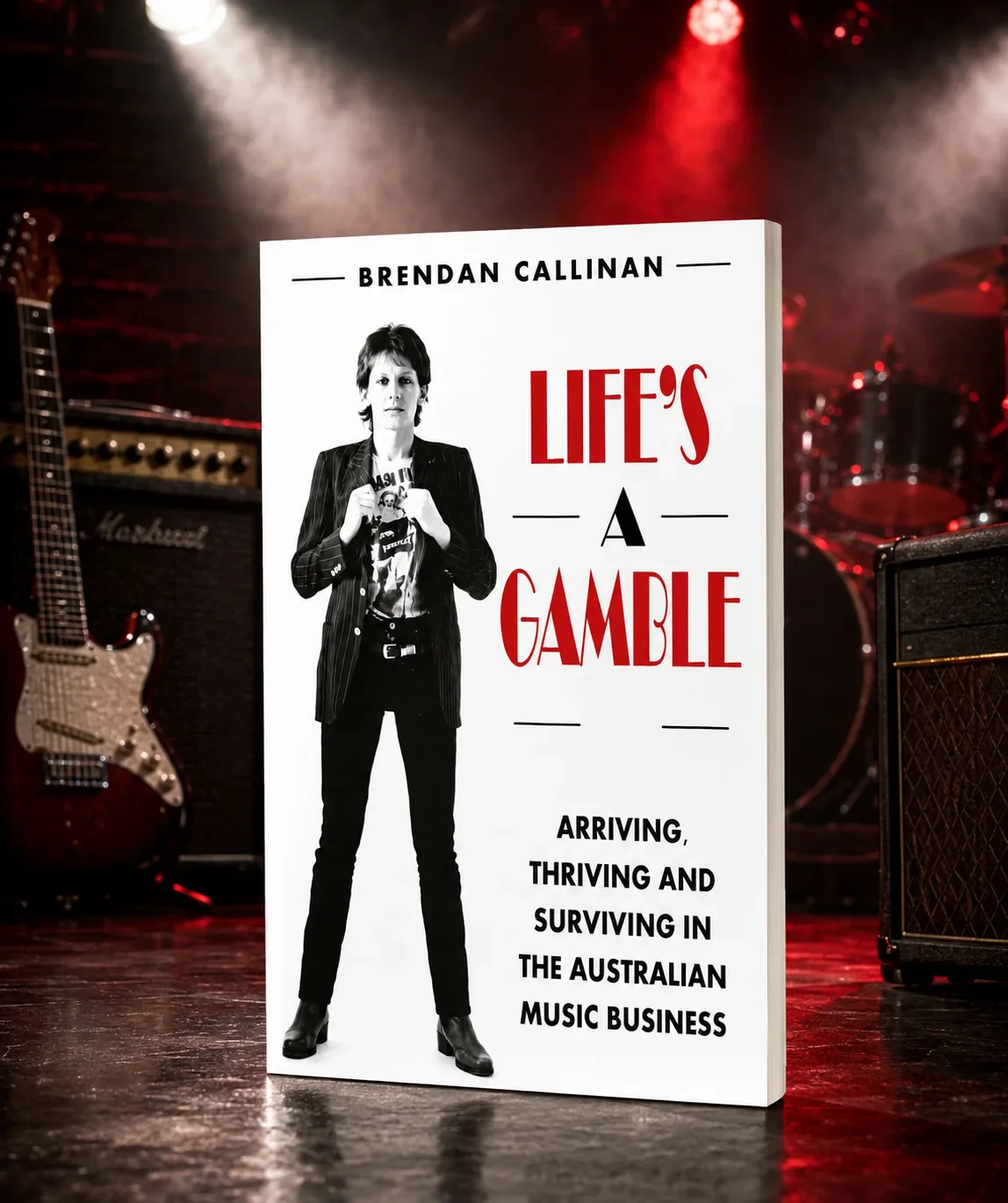
Of course, the debate matters little. We are born into the era we are born into. We play what’s in front of us and hopefully, make the most of the talents, skills, opportunities and luck that we are presented with. It’s one of the reasons I called my book Life’s A Gamble - Arriving, Thriving and Surviving the Australian Music Business. If you don’t arrive you won’t ever thrive. If you don’t survive you can’t thrive. And if you don’t thrive, then at some point you may not survive. It’s a cruel game, at times, but as a musician, we usually learn that fairly early on. After that, it’s how we play the game that matters.
Be The Sea
September 2026
Read THE Full Story
in ‘Life’s A Gamble’
From sold-out stages to life beyond the spotlight, former Radiators keyboardist Brendan Callinan shares the remarkable story behind the music.
Life's a Gamble is an honest, entertaining memoir of resilience, reinvention and surviving the Australian music industry.
