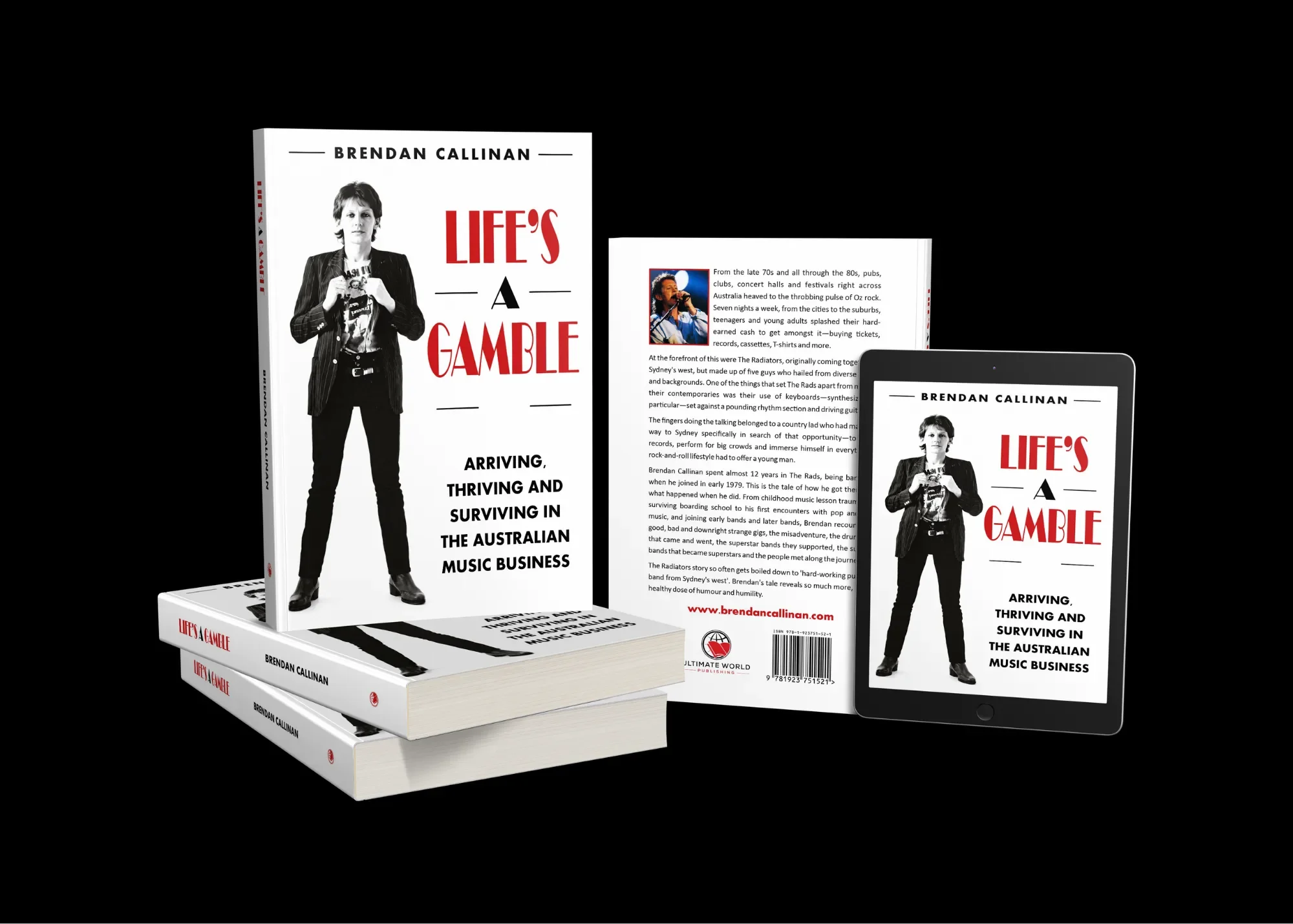
50 Years of Gear: the Vintage Keyboards & Synths I Played| Part 2 - The '80s to present
In part one I reminisced about the instruments I owned and used throughout the ‘70s, from my very first, and very basic purchase, to utilising some of the latest keyboard technologies available. As we move into the ‘80s, The Radiators have taken off. Our first album has gone gold and our touring is relentless, so it’s time to upgrade the gear………
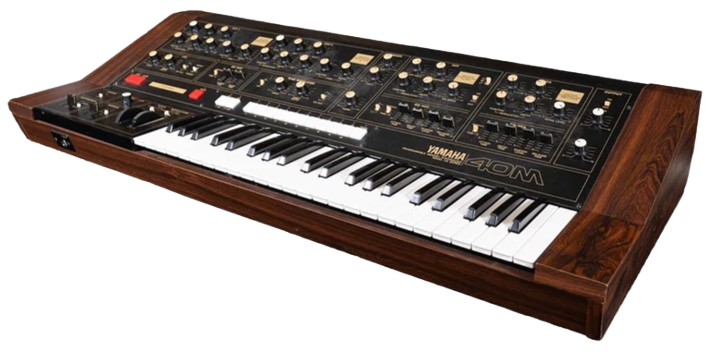
Yamaha CS40M
My first polyphonic synth with……wait for it…..2 simultaneous voices. It seems a bit laughable now, but this was a huge breakthrough. It also had storage for 20 user patches, another significant step forward, particularly in a live setting. These are the sounds on Up For Grabs, including the solo in Roomful of Diamonds. It had a real grittiness to it that suited our harder edged sound. Working models are fetching over $5k in today's second hand market.
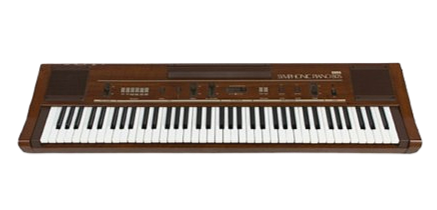
Korg Symphonic 80S
To overcome the problem with me breaking Wurlitzer reeds, I moved to a fully electronic piano, the Korg Symphonic 80S. It had a velocity sensitive keyboard, piano, electric piano, clavinet and harpsichord presets, and an analog string section, which was definitely its most interesting feature. Not memorable in any other way.
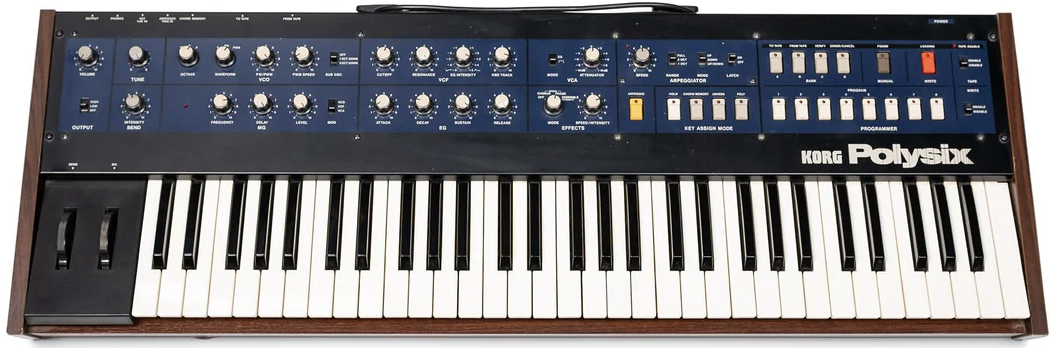
Korg Polysix
Within a year or so I was trading up again. This might seem odd, but the technology was moving incredibly fast at this point in synth development, with the Polysix having, as the name suggests, six simultaneous voices and 32 user patch memories. You could also do backup saves to cassette tapes, a very handy tool for a touring musician. It features heavily on Scream of the Real, along with the……..
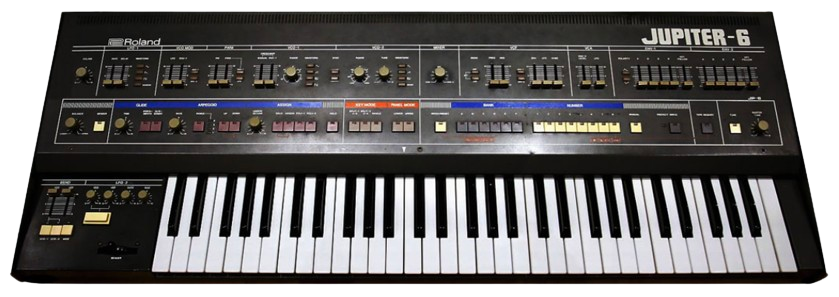
Roland Jupiter-6 Synthesizer
Released in 1983, this is also a 6 voice synthesizer - a trimmer, more affordable version of the classic Jupiter-8, which is now a genuine collectors item. Even the Jupiter-6 can command up to $10k on trading sites. It was also my first MIDI enabled synth, though the implementation was very basic by today's standards. It featured on the Scream of the Real and Life’s A Gamble albums. Great for faux brass sounds and fat pads.
Roland VK-09 Electronic Organ
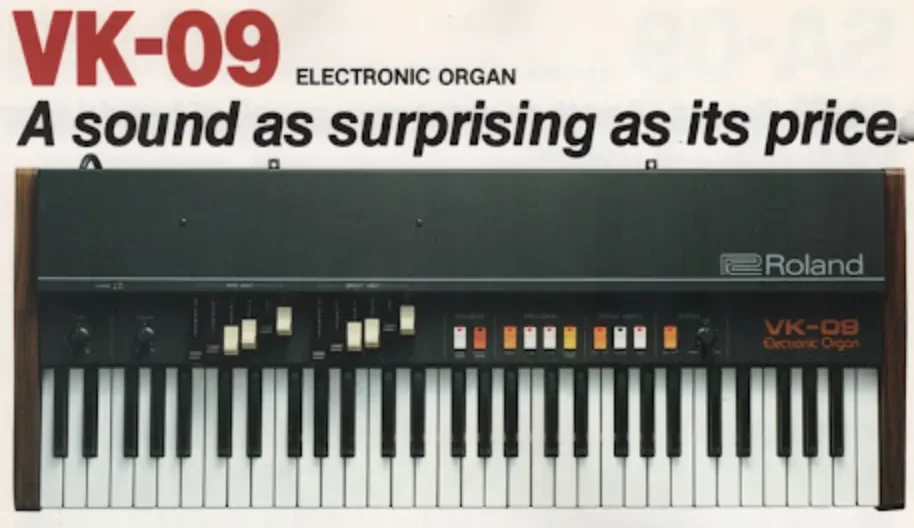
Around 1980, Roland finally packaged all of their considerable organ know-how into a compact 61 note keyboard, complete with Hammond style drawbars. I retired its big brother, the VK-9, in favour of this, much to the relief of the road crew. Not a brilliant piece of kit but it got the job done with typical Roland reliability.
Yamaha DX7 FM Synthesizer
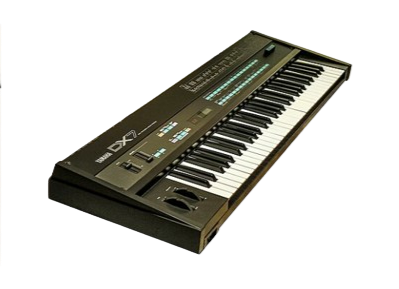
Considered a classic, and unlike any other synth product before or since, both in terms of its sound and its architecture. The user interface was foreign and difficult to navigate, so much so that I sought professional help to learn how to get under the hood. Most people just settled for the presets and you hear them all over records from the mid ‘80s. I used it on the Life’s a Gamble and Nasty Habits albums. While it’s considered a classic of the era, it doesn’t command the huge price tags that the original Jupiters and Junos do.
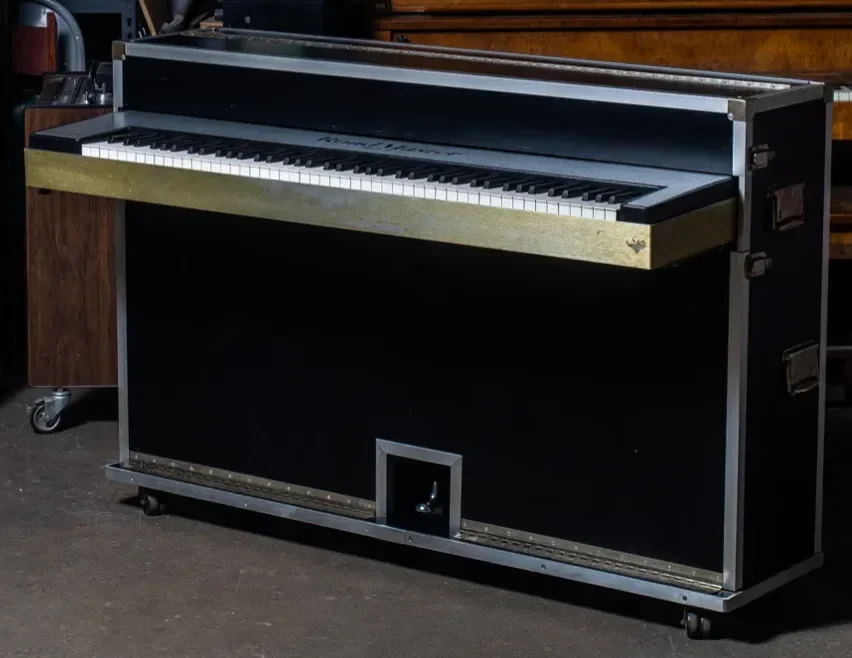
Helpinstill Roadmaster 88
From the late ‘70s, the ‘real’ piano of choice for touring musicians had been the classic Yamaha CP80, a baby grand built for touring. Helpinstill created an alternative, by placing a particularly robust upright piano frame and harp into a rugged road case body. This gave me genuine acoustic piano sounds in a live setting for the first time ever, which enabled me to much more faithfully reproduce the playing from Scream of the Real and Life’s A Gamble, in particular. Unfortunately, like any acoustic piano, it would still go out of tune over time, but I bought a piano tuners kit and got adept at doing this myself. And it was heavy.
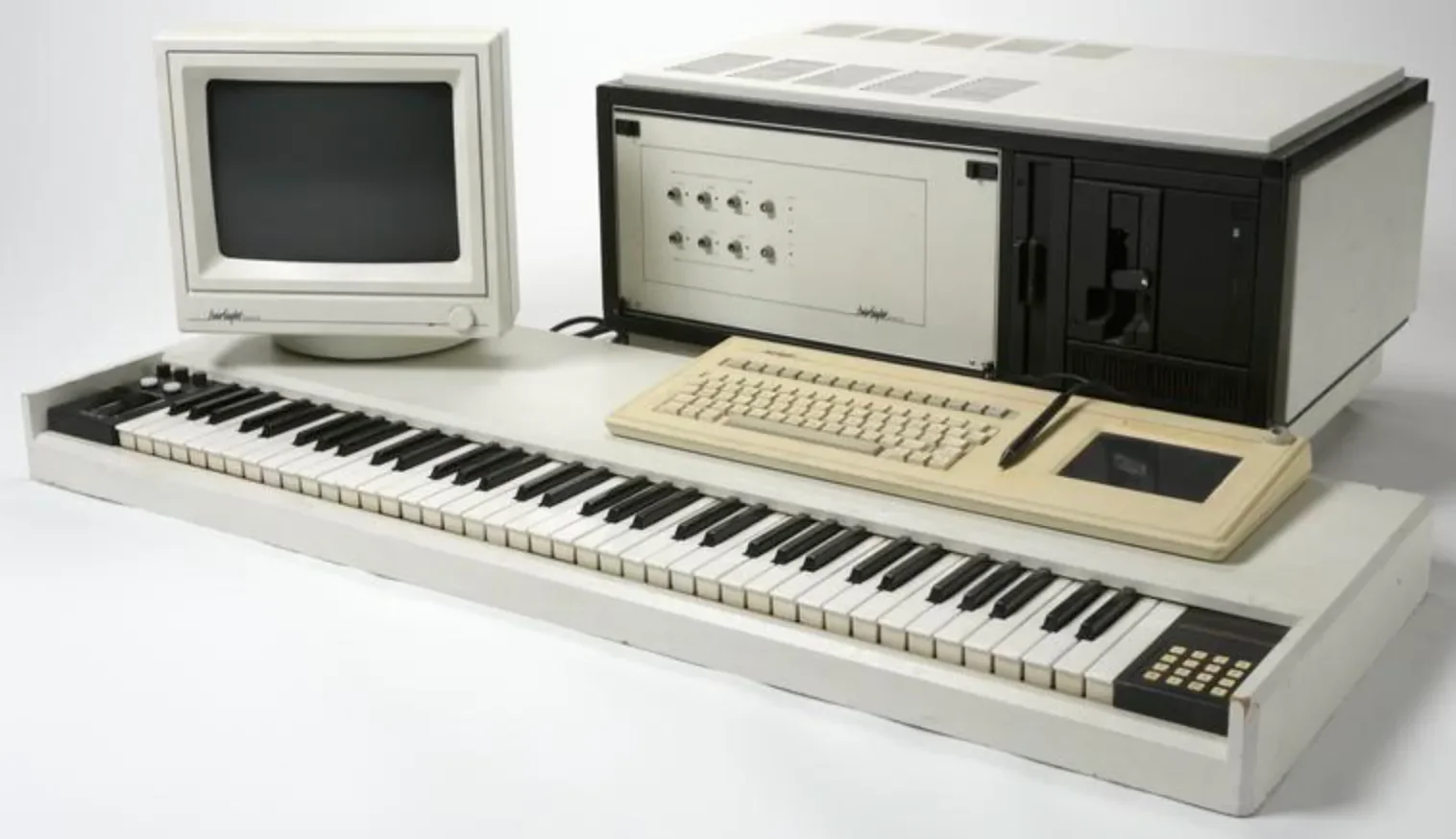
Fairlight CMI Series III
Fairlight, an Australian company based in the Sydney suburb of the same name, was one of the pioneers of sampling technology. Sampling allows you to record any sound, be it musical, industrial, natural or accidental and re-pitch it up or down via a keyboard, while also being able to edit some of the characteristics of that sound. This meant the creation of all new, previously unheard musical sounds, and pioneers like Peter Gabriel, Kate Bush and Thomas Dolby really put it on the map by featuring it heavily on some of their most lauded works. The price tag was over $30,000, clearly well out of my reach, but we were able to hire one for a few days during the Life’s A Gamble sessions at Studios 301 in Sydney. You can read about how poorly we utilised this incredible technology in my memoir, Life’s A Gamble.
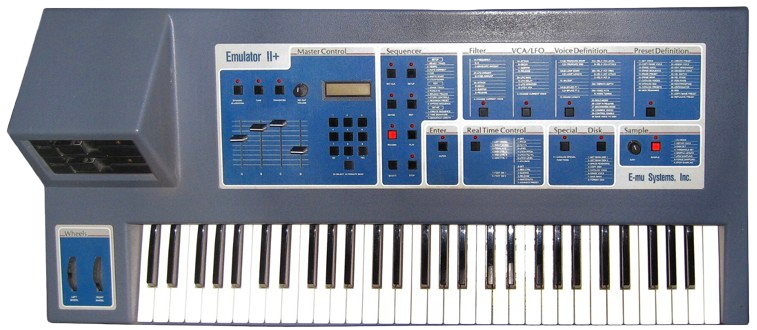
E-mu Emulator II+
While the Fairlight was well out of my budget, E-mu Systems had created a more affordable product, the Emulator, seeking to capture the same market, and had found widespread support from the likes of Stevie Wonder, Tony Banks of Genesis and New Order. My version, the Emulator II+, was released in 1985, for around AUD $12k. Not only could I now create all new sounds through sampling, I could also ‘sample’ the keyboard and even other sounds like backing vocals that we had created in the studio, for faithful reproduction on stage. This proved particularly useful through our Nasty Habits era, with a lot of deeply layered keyboard sounds in use across that record. It also meant I now had access to high quality acoustic piano sounds and could retire the heavy, cumbersome Helpinstill. An example of this is the piano solo in the version of Gimme Head from the Gimme…Live album and the brass sounds on Lonely, from the same record. This very instrument was recently unearthed in a Sydney warehouse, complete with all of my handwritten notes for sounds and songs, and is currently undergoing restoration. The Rads are still using some of those original Emulator samples in their shows today, though they are now mostly triggered by Mark Lucas from drum pads.
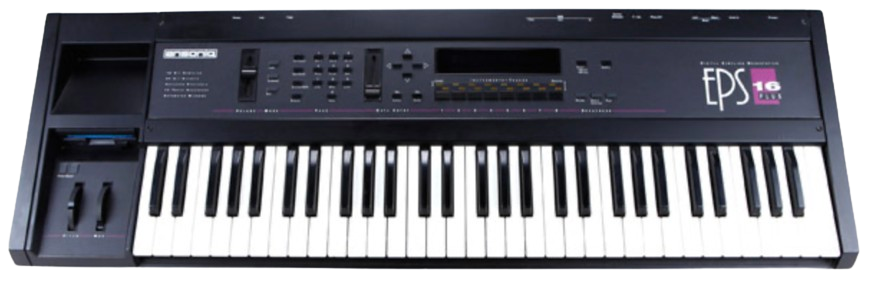
Ensoniq EPS16+
When I departed The Radiators I left the Emulator with them, partly as the band had helped finance its purchase. I replaced it with a cheaper and more compact sampler, but one which boasted more actual sampling power due to the rapid development and cost reduction of hard drive memory capability. Conceptually, it was a great instrument, if only it had been reliable. In that sense, it was the worst instrument I ever bought. I would spend hours programming sounds and sequences only to have it freeze on the night. I remember trying to get help from the distributor and being stone walled, fed the line that mine was the only one they’d heard of with those issues. I found out later that this was a blatant lie and that you would have been lucky to find one that was trouble free.
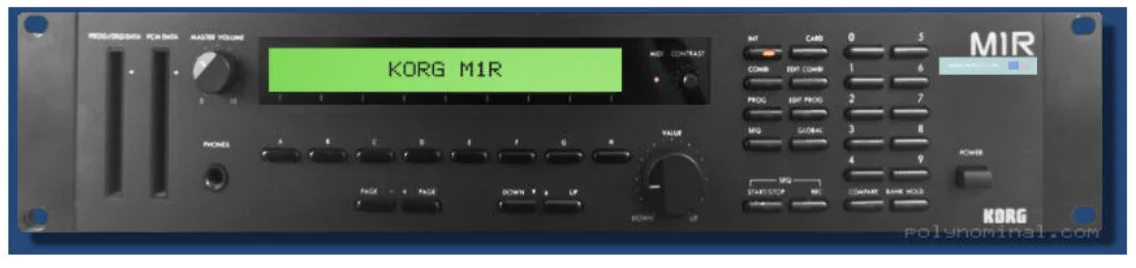
Korg M1R Digital Workstation Module
Released in 1988, the M1 is one of the biggest selling synths of all time. I opted for the rackmount version, as I had no shortage of keyboards, and MIDI (a standard protocol for communication of data between instruments) was now standard issue on pretty much everything. It featured 16 voice polyphony and, very importantly, was 8 part multi timbral, allowing 8 parts to be played simultaneously by the on board sequencer. The cherry on top was a killer multi-fx unit, resulting in lush, textured sounds. This powered my new band, Modern Primitives, but unless I can locate and digitize the recordings we made across 1989-91, you’ll never get to hear how it sounded in my hands. I miss this one.
After I joined Roland in 1992, I didn’t (somewhat ironically) play another organised gig until I joined Vintage Vinyl in 2025. There were a few cameos, but always on whatever gear was available. At home, I played almost every day, and always had a Roland digital piano in the house as I still do today, currently a Roland FP60X. Nowadays, I gig with a Roland Juno D7 and a Roland V-Stage 76. I’m thinking they’ll last me a fair while, possibly to the end of my gigging days. After 31 years with Roland, my ears are so attuned to the Roland sound that I doubt I would ever stray to another company, even though I’m no longer contractually obligated.
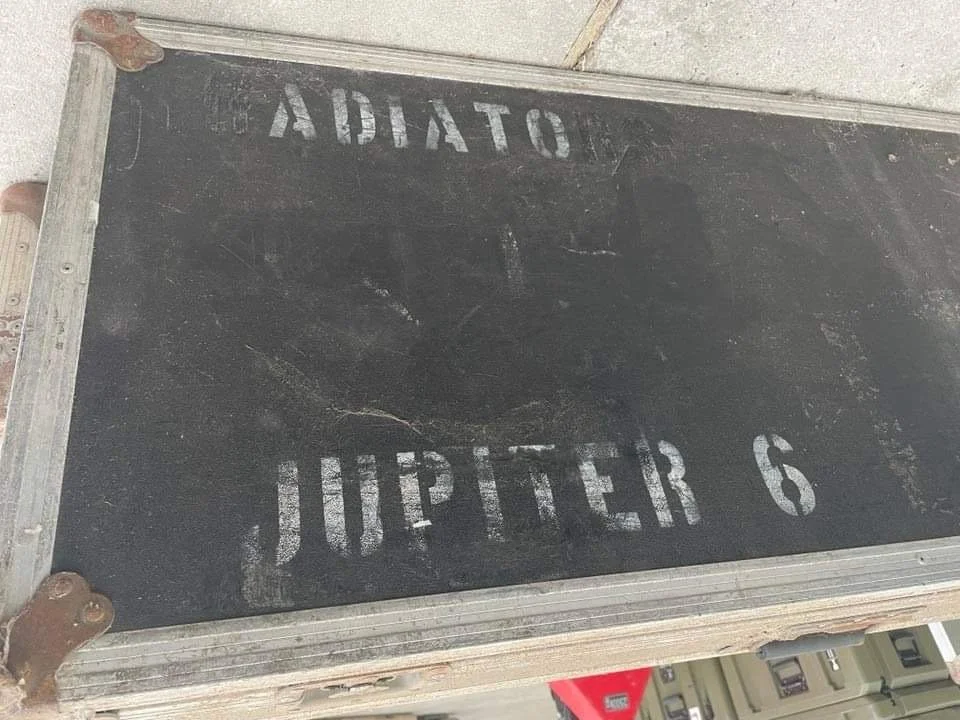
Other than the recently discovered Emulator II+, I have no idea where all those other instruments ended up. I sold the Jupiter-6 to a band from Sydney called Hot God Vomit, for $500 around the birth of my daughter in 1988. Its Radiator marked road case also turned up at the Roland Australia service department in late 2021 (see picture above). Meanwhile, I’ll just buy more guitars……
BC
August 2026