My 12 most captivating pop/rock vocal performances and the stories behind them……
When it comes to pop and rock music, we all hear it, process it and respond to it differently. Some people hone in on groove and rhythm. Others like to focus on the instrumentation. But for the vast majority, it’s lyrics and melody, usually as delivered by the lead vocalist. This is where the most memorable hooks reside and, most importantly, it’s from where the key emotional connections are usually drawn. Yes, those connections are aided and abetted by the music, but it’s when we identify with the core message of the song, or at least our interpretation of it, that the real magic happens.
And then there are the tonal qualities of the singers themselves. Some voices sound more naturally pleasing than others, particularly to the masses who consume popular music – Karen Carpenter, Linda Ronstadt and Neil Finn come to mind . Others draw us in simply because they are quirky and unique – think Cindy Lauper, Stevie Nicks, Cat Stevens or Robert Smith. It can be the blending of voices in harmony that resonates – The Beatles, Mamas and Papas, Simon and Garfunkel, Beach Boys, Queen and the Bee Gees. Or it’s all in the attitude that the voice conveys – Iggy Pop, Ian Dury, Morrissey and Johnny Cash all come to mind (that list is a long one). There are those voices that are just built for storytelling – Dylan, Springsteen, Lucinda Williams and Tex Perkins. And finally, the singers of rare and exceptional talent, those with 5 octave ranges and superb tonal qualities but who also know how to interpret a lyric, connect with an audience and deliver that arrow straight through the heart of the listener.
So, how then do I arrive at just 12 pop vocal performances worth attaching my dubious musical credibility to? Not easily is the honest answer, so I’ve tried to get a spread of each of those areas above, taking a little from each category of singer, the best examples that I’m familiar with. As with all of these lists, this one may well look different in a months time, and I welcome feedback, opinion and alternative suggestions. That’s the beauty and wonder of music. We might hear it similarly, but we feel it differently.
I’m going to leave out the great rock singers – Robert Plant, Ian Gillan, Freddie Mercury, Steve Perry, Peter Gabriel, Ann Wilson, Jimmy Barnes etc. Let’s save that category for another list, another day. Today we’re focussed mostly on the lighter side of popular music. The music that I heard on mainstream radio rather than on my turntable or in the concert hall. As I’ve drawn up the long list, I couldn’t help but notice that much of it harks back to a golden era in the mid to late 60’s and 70’s. Is this simply nostalgia on my part – I’ve never really stood still musically – or (dare I say it), they don’t make records like they used to, with the focus purely on great vocal performances? Many of these songs feature fairly simple instrumental arrangements that underscore the brilliance of the voice or, better still, enhance the emotional delivery.
As with all of these lists, there are fine singers and great songs that don’t make the cut, and on another day should and could. Aretha, Janis Joplin, Whitney, Mariah, Fogarty, McCartney, Thom Yorke and plenty of others. No doubt I’ll be reminded of some more, after the fact.
An interesting feature for me about my list, discovered retrospectively, is the number of songs that were not the original recording. Something magical seems to happen when a great singer and a great song find each other, and the new interpretation takes both singer and song into new, uncharted territory.
So here we go. Not in any particular order other than I think the first one is probably worthy of that number one slot. If you’re not deeply familiar with the song, please click the link and take a listen. Where appropriate, I’ve linked to a live version, for that added gravitas and spontaneity which makes for a truly great musical moment.
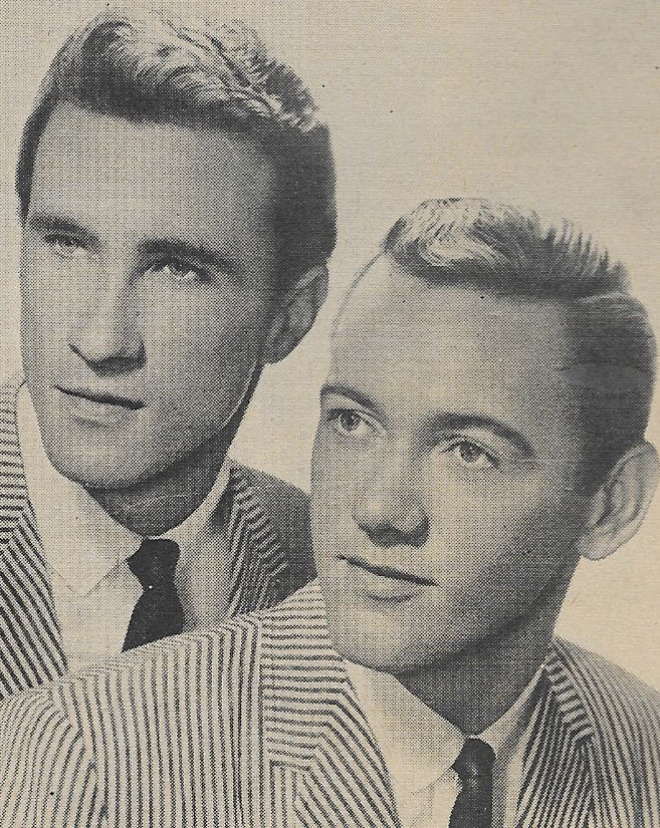
Unchained Melody – The Righteous Brothers – Lead Vocal by Bobby Hatfield (1965)
Written by Alex North and Zy Haret, this is one of the most recorded songs of all time, believed to be in excess of 1500 versions. But the definitive version well and truly belongs to The Righteous Brothers, not least because of Bobby Hatfield’s soaring, yet seemingly effortless vocal delivery. The other Righteous Brother, Bill Medley, doesn’t even appear on this song, and there’s an amusing anecdote about this at the start of the linked video. Hatfields tone is exquisite, moving seamlessly from chest to head and falsetto with incredible control and dexterity, all while delivering a masterclass in emotional connection, bringing swooning teenagers and grown men alike to tears. His runs never stray into excess, always adding to the emotional impact of the song. The final falsetto notes in the live version never cease to surprise the new listener. The record reached number 4 in the US, following up their #1 hit from 1964, You’ve Lost That Lovin’ Feeling. I’ve linked to the live video I order to give you those final falsetto notes, but the original recording is also worth a listen.
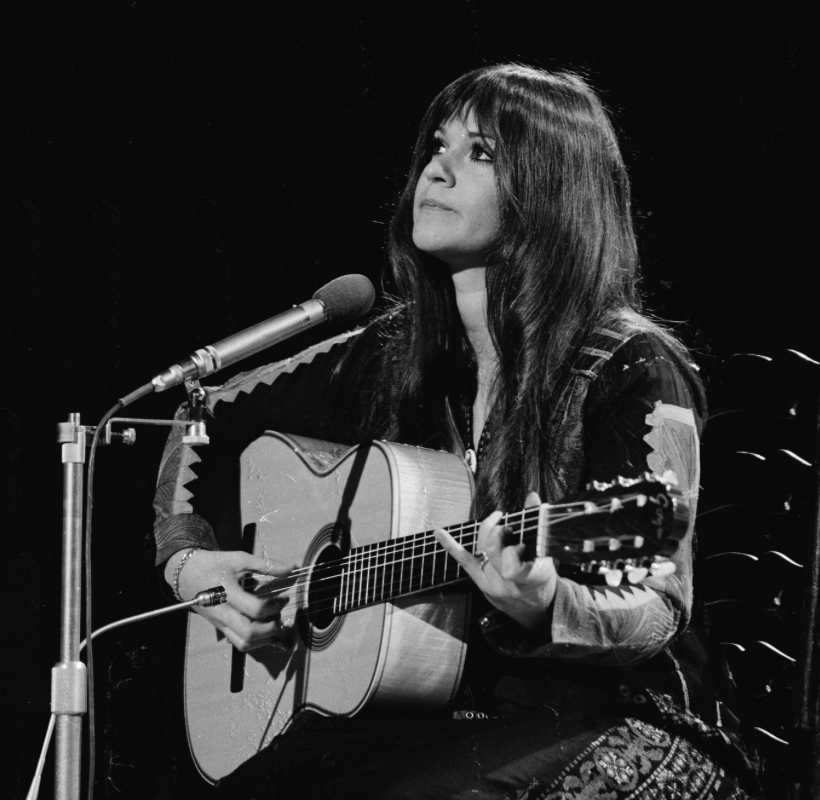
Ruby Tuesday - Melanie Safka (1970)
While this Rolling Stones song is credited to Jagger-Richards, the band members themselves, and those there at the time, recall it as being a predominately Keith Richards composition, with musical input from Brian Jones. Mick Jagger freely admits that he had little or nothing to do with the writing. Their version went to number one in the US before ‘folk’ singer Melanie recorded it for her 1970 album, Candles in the Rain. Labelling Melanie a ‘folk’ singer is way too limiting. Her voice, as evident on this track, could moved freely between delicate and girlish, to powerful and emotive. Similarly, her writing style and choice of material ranged from the quirky pop of Brand New Key to the gospel tinged sound of Lay Down, a song written about her experience playing Woodstock, where she was one of only three female artists on the bill. Like so many songs on this list, she has injected it with far more drama and feeling than the original. I’ve linked to a particularly intense live version.
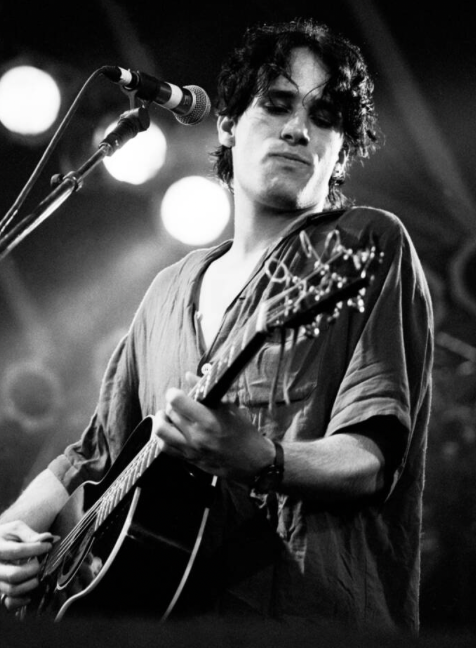
Hallelujah - Jeff Buckley (1994)
Leanard Cohen’s Hallelujah is another extensively covered song, including by such luminaries as John Cale and KD Lang, yet Buckley’s rendition, from his only fully completed album release Grace, is for many the definitive version. So much so that it has been inducted into the Library of Congress’s National Recording Registry. It’s fair to say that any number of Buckleys recordings could have made this list and I did have Everybody Here Wants You on the long list. The musical introduction to Hallelujah goes for a whole minute of this seven minute ode, building the expectation for what is to come. His vocal then moves from tender and wistful, through ethereal and haunting, and at times powerful and moving, his tone and timbre ebbing and flowing as the lyric and melody demands. His interpretation of the moods and themes is sublime and poignant, in this case across five of Cohen’s original seven verses (and supposedly up to 180 draft verses). Unlike other versions, particularly Cohen’s original studio recording, which to my ears now sounds dated and ponderous, the melody soars. The version I’ve linked to is an alternative studio version, with the lead vocal more prominent in the mix. The beautifully sustained note towards the close of the song is restrained and pure and heart wrenching.
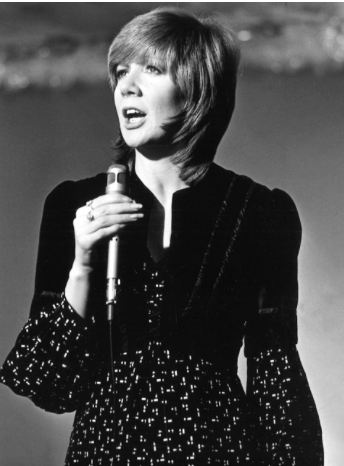
Anyone Who Had a Heart - Cilla Black (1964)
It’s hard to go wrong with a Bacharach / David composition and there are any number of versions of this classic that feature great vocals, not least the original recording by Dionne Warwick. As was the custom of the time, song scouts were always on the lookout for new songs, particularly from the US, that a local artist could then record and make their own, at least in their home country. Such was the case when esteemed producer George Martin heard Anyone Who Had a Heart. Initially proposed for Shirley Bassey, Martin had other ideas and set about producing the song for Cilla Black, the young Liverpool singer who had only one modest hit to her name at that stage - Love of the Loved, penned by her close friends by the names of Lennon and McCartney.
What I love about Cilla’s version over the others is the tonal switches that take place in her voice, as she moves from her chest to her throat and her head voice. It’s almost like three distinctively different singers in one. Her lyrical interpretation is both sensitive yet defiant. While Warwick’s version would go Top 10 in the US, Cilla’s rendition would hit #1 in the UK and Ireland and go on to become the biggest selling UK chart hit by a female artist in the 60’s. Apparently, it irked Dionne Warwick for the rest of her days.
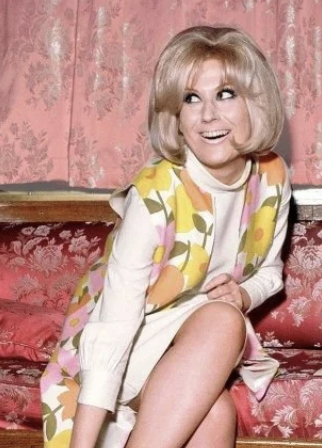
Windmills Of Your Mind – Dusty Springfield (1969)
Let’s stick with British female singers from the UK and talk about Dusty Springfield. The temptation here was to go with Son of a Preacher Man for its brilliant story telling delivery, or I Just Don’t Know What to do with Myself for Dusty’s blue eyed soul tonal qualities. But Windmills of Your Mind is such a different song, one that draws you in, spins you around with its twists and turns and takes you on a seemingly endless journey as it subtly evolves and builds. Dusty apparently didn’t like the song that much, saying that she never understood the full meaning of the lyrics, and lyrical interpretation was one of her strong suits. I can’t detect where that held her back at all, at least not on the original recording. The song is both of its time (the mid 60’s) but also transcendent due to its unconventional melodic structure. Like several songs in my list, this is not the original, which was recorded by British actor Noel Harrison for the soundtrack to the Steve McQueen / Faye Dunaway film The Thomas Crown Affair, and that version actually won the Oscar for best song in 1969. I find Noels version almost comical, delivered very much like an actor doing a monologue. It was producer Jerry Wexler who suggested it to Dusty for her Dusty in Memphis album. It came out in April 1969 as the B-side to I Don’t Want to Hear it Anymore, but Wexler secretly plotted to have it promoted as a double A-side, in the wake of the pending Academy Award gong, and it went on to chart strongly across the US and Canada. The musicians and producers Dusty worked with describe her as being highly detailed and meticulous in her approach to music making, at least prior to the deepening issues around her mental health, drug and alcohol abuse and sexual identity. I still find her version of this song mesmerizing.
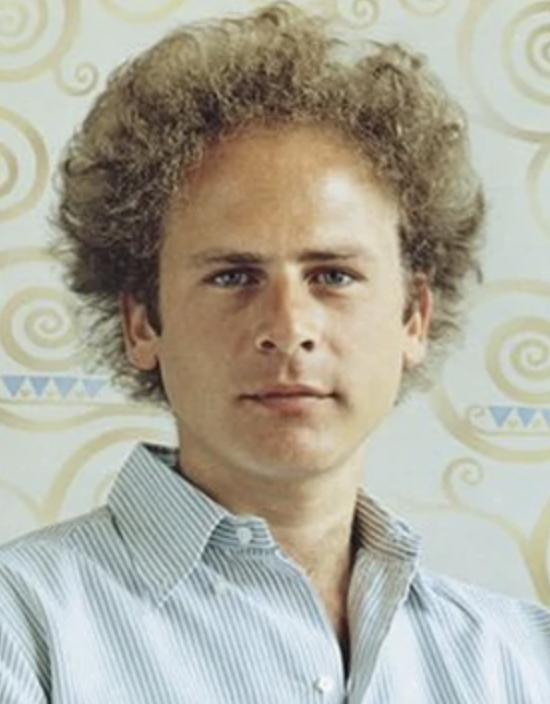
Bridge Over Troubled Water – Simon and Garfunkel – Lead Vocal by Art Garfunkel (1970)
The Bridge Over Troubled Water album is, in my opinion, one of the defining albums of its era, and the title track, released as the second single from the record, played no small part in that, or the successful solo career that Paul Simon embarked on soon after. But it is the sublime, choirboy like lead vocal of Garfunkel which elevates it from a potential Righteous Brothers pastiche, to one of the great recorded pop/gospel performances of all time. Garfunkel was originally reluctant to take the lead, feeling that Simons falsetto vocal on the original demo worked better, but Paul and producer Roy Halee got their way, aided and abetted by arranger Jimmie Haskell, who moved it from the original key of G to Eb, to better suit Art Garfunkel’s range.
The first verses are tenderly and emotionally delivered, Arts pure tone building in strength and intensity through the second chorus. Paul Simon joins in on harmony for the final verse, which was a late addition in the studio, designed to give the song a more powerful conclusion.
The song and album topped the pop charts in multiple countries, including the US, Canada, France and NZ. It won four Grammys in 1971, including Record of the Year. Notable cover versions include Aretha Franklin, Elvis Presley, The Supremes and Johnny Cash (with Fiona Apple) which also won a Grammy award (2003).
The Great Gig in the Sky – Pink Floyd – Lead Vocal by Clare Torry (1973)
OK, this is not pop, but it is from one of the biggest selling albums of all time. I’m sure that this song, from the Pink Floyd classic album Dark Side of the Moon, and the story behind it will be familiar to many readers. Keyboardist Rick Wright composed the music and it went through a period of metamorphosis prior to them landing in the studio for the album recording. In live performances throughout 1972 it was initially known as The Mortality Sequence and then later, The Religion Song, and bootlegs from this time reveal it to be a stripped back arrangement on Hammond organ, overlaid with recorded spoken word snippets, though not the ones that would later feature on the record. In later concerts from that year Wright had moved the main chord sequence across to piano, with the spoken word inserts being predominately recordings of NASA astronaut communications. Fast forward to the final stages of the Dark Side sessions at Abbey Road Studios, when the band had the idea of adding an improvised female vocal. It was engineer Alan Parsons who suggested Clare Torry. The final version is an amalgam of her three takes, with each take getting progressively more emotional and expressive. After the final take, Torry apparently apologised to the band and left the studio, believing that her vocal was unlikely to make the record, as it seemed to her to be meaningless and formless. She graciously accepted the standard £30 session fee and thought little more of it until she picked up a copy of the mega selling album and saw her name in the credits, for the vocal performance. What anyone failed to directly acknowledge at the time is that her singing took a relatively benign instrumental track and elevated it to a high point on what is considered an all-time classic album. Finally, in 2004, Clare Torry sued Pink Floyd for a composition credit on the song, and an undisclosed, out of court settlement was reached. With worldwide sales of the album now in excess of 45 million copies, it would most likely have been a substantial payment, even for just a nominal percentage of the song. Torry never performed the song live with the band and there have been a string of female singers who have stepped in to reproduce her part, sometimes faithfully and at other times with creative license, and usually to good effect.
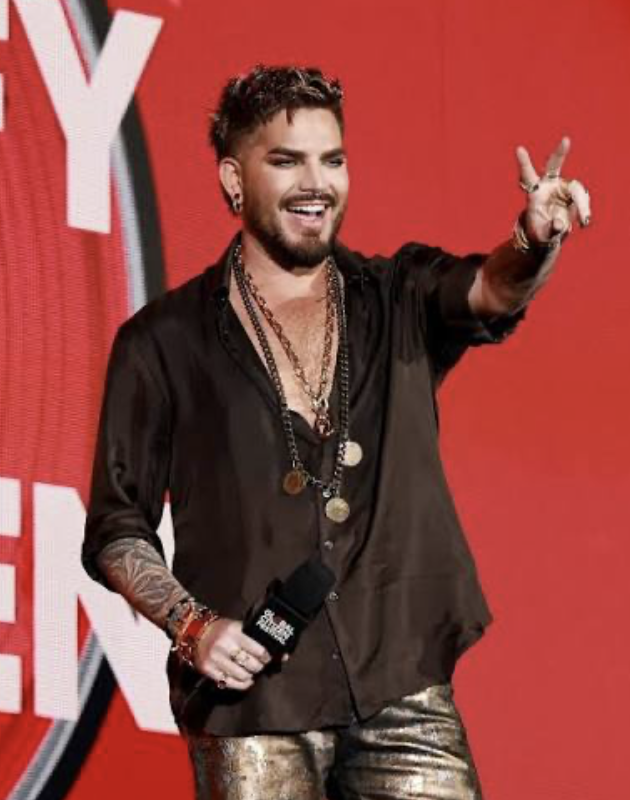
Who Wants To Live Forever - Queen with Adam Lambert (2016)
Now, let me preface this piece by stating that I am a massive, lifelong Freddie Mercury fan. Queen were the first major international act I saw live, as a sixteen year old, 50 years ago. I also saw them in 2018 with Adam Lambert and he was spectacularly good as a singer and a frontman, while freely acknowledging that he’s not Freddie and no one ever will be. This performance of I Want To Live Forever, however, is singularly stunning, not only for its vocal delivery but for the added emotion of the moment. This performance was at the 2016 Isle or Wight Festival, the night after the senseless massacre of 49 people at the Pulse nightclub in Orlando Florida. Adam Lambert dedicates the performance to those lives lost, and what follows is both poignant and powerful. The song itself is already loaded with feeling, and while it was originally written and released well before the disclosure of Freddie’s illness and subsequent passing, it had since found it’s place as Brian May’s tribute to his friend, bandmate and musical collaborator. If you haven’t seen this one before, I urge you not to skip over it. Clink on the link and immerse yourself in something that is, at least momentarily, both heart wrenching and heart warming across four and a half minutes of vocal and music mastery.
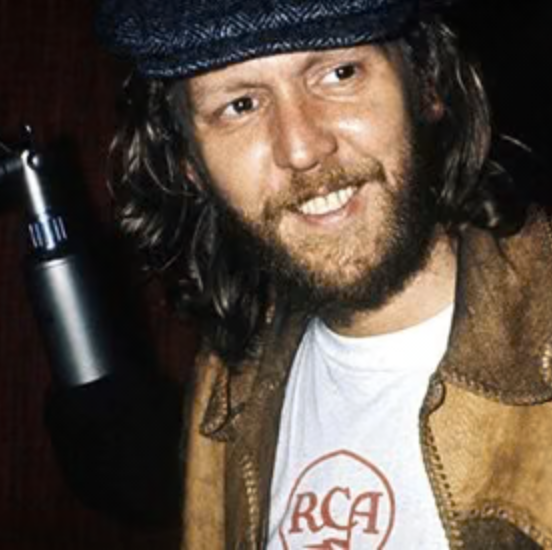
Without You – Harry Nilsson (1972)
While Harry Nilsson was a celebrated, Grammy award winning songwriter, he is best known, by most, for two cover versions – Everybody’s Talkin’ and Without You. The latter song was written by Pete Ham and Tom Evans of Welsh outfit Badfinger, the band that Paul McCartney had signed to the Beatles Apple label and personally taken under his wing (no pun intended). The Badfinger version is presented as a straight ahead rock song - two guitars, bass, drums and vocals - and is pretty clunky and under developed. It was not released as a single but closed side one of the bands 1970 album, No Dice. Nilsson heard the song at a party, initially believing it to be a new Beatles song, but when he discovered it wasn’t, decided to record it himself. His version started life as a simple piano / vocal arrangement, but producer Richard Perry reworked it into the grand power ballad that Nilsson released in 1971, topping the charts in the US, UK and Australia among others. Like many of the songs in this list, the early verses start gently and earnestly, before rising to a moving crescendo. He introduces harmonies in the second verse before hitting the next chorus with a dramatic tonal shift as he moves into his upper range. Interestingly, that chorus closes out the vocal, with no reprise to take us to the fade, as might be expected. There is a great deal of sadness and tragedy attached to this song. Both Pete Ham (1975) and Tom Evans (1983) died by suicide, ostensibly over financial management issues, dominated by disputes with former management and bandmates over the earnings from Without You. Harry Nilsson also died prematurely, from a heart attack at age 52, after years of misadventure, and having also been left largely destitute from fraudulent financial management.
Mariah Carey famously recorded a chart topping version of the song, releasing it in January 1994, only weeks after the death of Harry Nillson. And while she is clearly a very fine singer, her version lacks the heartache and pathos that Harry’s much more straightforward delivery invokes.
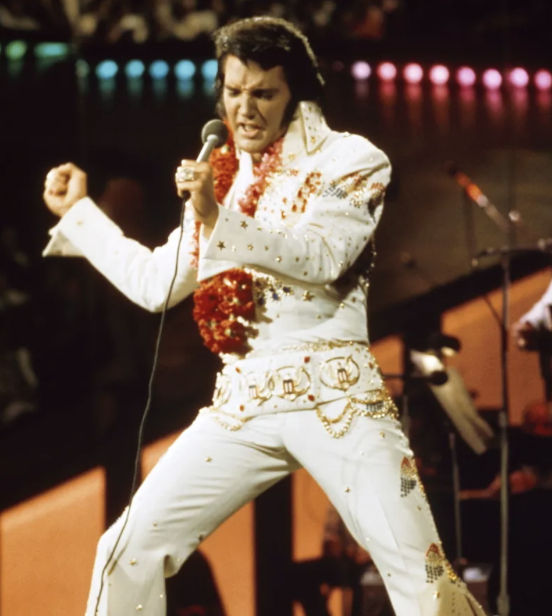
An American Trilogy – Elvis Presley (1972)
An American Trilogy is, as the name suggests, an amalgam of three historical American songs. Dixie is a well known southern folk song, The Battle Hymn of the Republic was a marching hymn of the Union Army during the American Civil War and All My Trials was originally brought to the southern cotton fields and churches by Bahamian slaves. The medley was the brainchild of country singer and composer, Mickey Newbury, who released it in 1971 and had good chart success, in fact it did better in the US than Presley’s version would. Elvis and his musical director had been searching for a big showstopper for his 1972 US concert tour and, in his hands, it certainly filled that role, with some modifications on the original. A live recording was released as a single early that year, and while it wouldn’t have major chart success, it became a staple feature of his concert performances over the coming years, until his death in 1977.
The arrangement ebbs and flows, with incredible dynamics that give Elvis a platform to show his full range and timbre, the velvet baritone in all its glory. The whole thing is stirring, patriotic (in a southern boy way) and moving.
Footnote: if you haven’t yet seen it, or you’re ‘not really an Elvis Presley fan’, make a point of seeing the Baz Luhrmann concert film Epic. The musicianship and stage craft on show is top shelf, and the behind the scenes rehearsal footage reveals Elvis to be a personable, funny and highly musical performer.
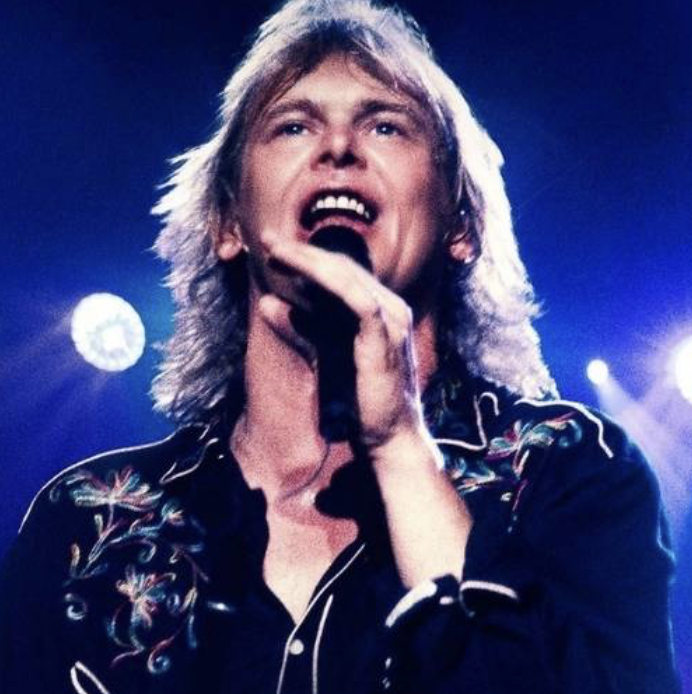
John Farnham could pretty much ‘sing the phone book’ and it would sound incredible, such is his range, tone, power and technique. But despite his obvious and considerable talents, in the late 70’s his career was floundering, after years as Australia’s favourite boy next door pop star. Enter new manager Glenn Wheatley, formerly the bassist with Aussie rock legends the Masters Apprentices, who very patiently and astutely guided Farnham back to the top of the mountain. His ‘comeback’ single would be a reworking of the Lennon-McCartney classic Help, moving it from a rollicking 60’s guitar pop song to a big, 80’s style piano / orchestral ballad. While his vocal retains the core of the song’s melody, his seemingly effortless range, bluesy transitions and musical runs make it almost unrecognisable at times. Peaking at #8 on the Australian charts, Farnham was back in business. Fast forward to 1986 and the release of the Whispering Jack album, which would go on to become Australia’s highest selling, locally produced album of all time. With huge audiences now attending sell out stadium concerts, Help remained as a live staple, a showstopper that both warmed the heart and blew the socks off those present. The link above is to the classic 1989 concert featuring the Melbourne Symphony Orchestra, adding yet another layer of power and pathos to the performance.
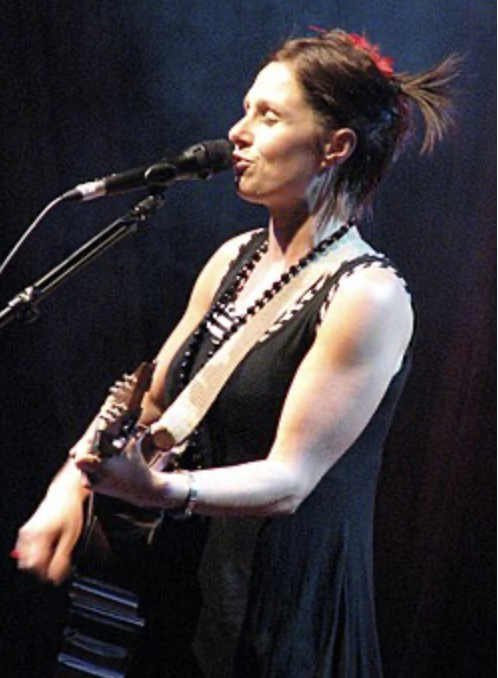
Kasey Chambers – Lose Yourself (2022)
For any international readers who may not be familiar with Kasey Chambers, she is an Australian country-pop-rock crossover artist who has had a lifelong musical career, with a string of hit singles and albums over multiple decades. Her voice is quirky, to say the least, it’s individuality sometimes dividing audiences, but no matter what you think of her tone, her ability to deliver the deepest emotion of a song is unquestionable. Her hit Am I not Pretty Enough is clear testimony to this. I don’t know what led Kasey to include a major reworking of Eminem’s hip hop classic Lose Yourself into her live set, but it was a stroke of absolute genius. Take a song from a genre that is seemingly miles from your core sound, arrange it for solo banjo and vocal, stretch it to eight minutes and then keep the audience gripped in the palm of your hand for the entire time, as you eke out every possible drop of angst, agony, frustration, regret, rejection, uncertainty and defiance from your voice. Without giving away too much, if you haven’t seen this video you MUST watch it and watch it all the way to the end. The film clip is a compilation of fan footage taken on phones at the concert, which adds a level of intimacy to the whole experience. I recently saw Kasey perform this live and it was truly epic, even though I knew precisely what to expect.
Unfortunately, that’s twelve songs so I have to stop there. There are countless more I could have included but ‘them’s the rules’. If you haven’t got tears, goosebumps or hairs on end from at least one of those performances then I’d respectively suggest you aren’t human. Feel free to share your thoughts, reactions, comments, suggestions in the comments.
Be The Sea
November 2026
