Livin' in the '80s: Why the 1980s Was Australia's Golden Era for Music
I feel lucky and privileged to have been at the pointy end of the Australian music scene from the late ‘70s to the late ‘80s. Bands enjoyed an amazing working environment, with large, enthusiastic crowds, seven days a week gigging throughout the cities, suburbs and regions, cashed up record labels and international opportunities that our ‘60s and ‘70s predecessors could only dream about. The outcome was a whole host of the most enduring, interesting, successful and downright famous Australian artists of all time.
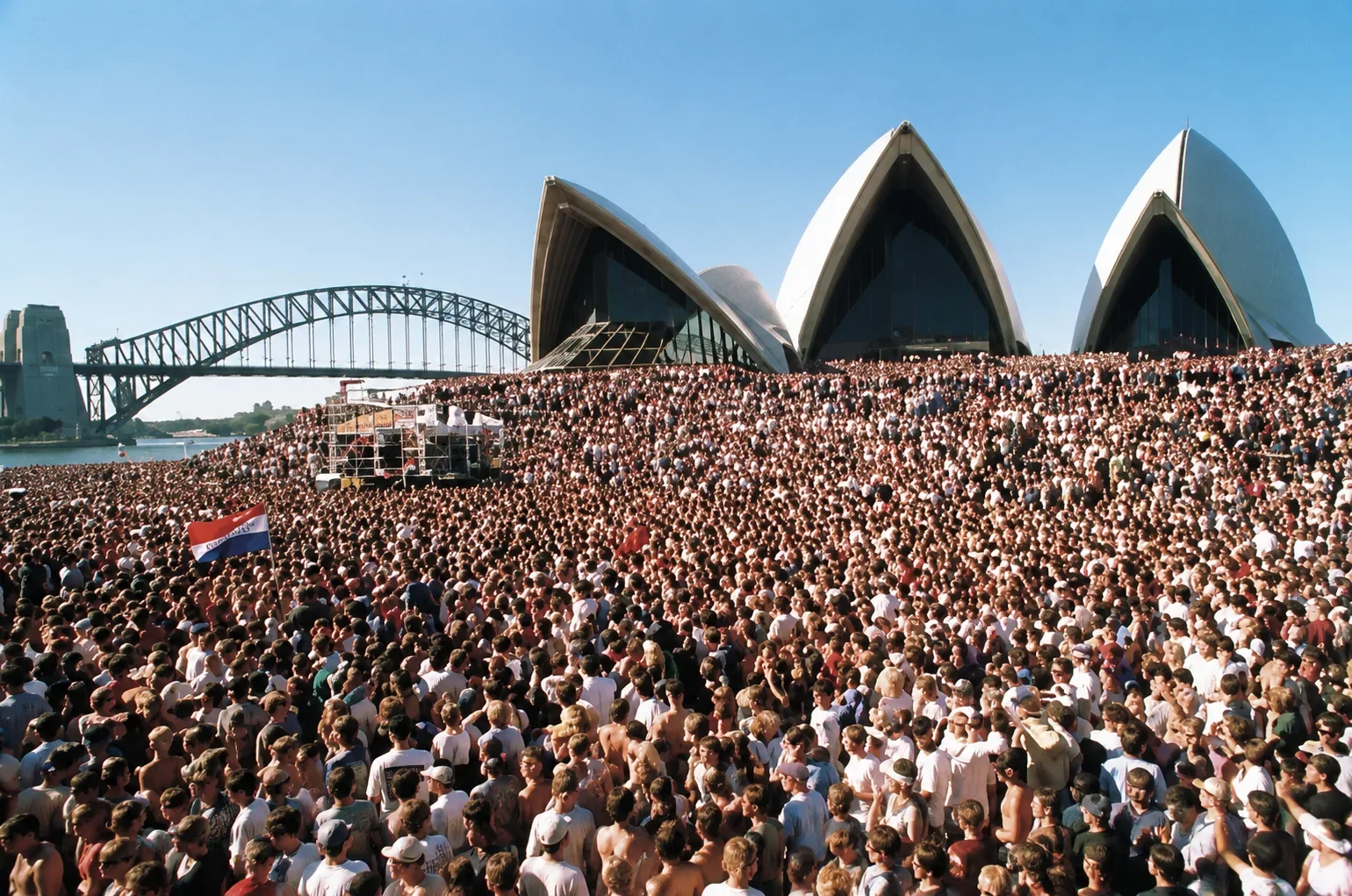
The emergence of INXS, Midnight Oil, Australian Crawl, Men At Work, Crowded House, The Church, Icehouse, Noiseworks, Divinyls and so many more.
The further elevation of AC/DC, Split Enz, Cold Chisel and The Angels. The second coming of Richard Clapton and Dragon.
So, what was it about this era that created the phenomenon?
To use a business analogy, boom times need a few key factors to coalesce to produce extraordinary returns. These factors include supply, demand, investment, technological advancement and a touch of good fortune. These stars did, in fact, align throughout the ‘80s, to drive a music economy that allowed artists to be at both their creative and productive best. Let’s unpack them one by one and see if we can understand what set the ‘80s apart for Aussie music.
Supply and Demand
It’s important to focus on what the young people of Australia DIDN’T have, growing up through the ‘70s and into the ‘80s – no personal mobile devices, no entertainment streaming services, no large casinos in the major cities, no poker machines in pubs and, by and large, fewer financial pressures. Even cinema was in the doldrums. Live music was what the vast majority of those between 16 and 30 turned to for release and connection. Rock music had usurped disco and pop as the dominant genre, albeit in many different forms, ranging from post punk, synth pop, new wave and ska, to hard rock, blues rock and pub rock. In fact, the youth embracing the diversity of music styles throughout the decade was a critical success factor. The musicians forming these new bands, writing songs and producing records had experienced, over a relatively short space of time, the extremes of psychedelic rock (late ‘60s), early hard rock and metal (early to mid ‘70s), progressive and art rock (early to mid ‘70s), punk rock (mid to late ‘70s) alongside the more perennial blues based forms that germinated in the early to mid ‘60s.
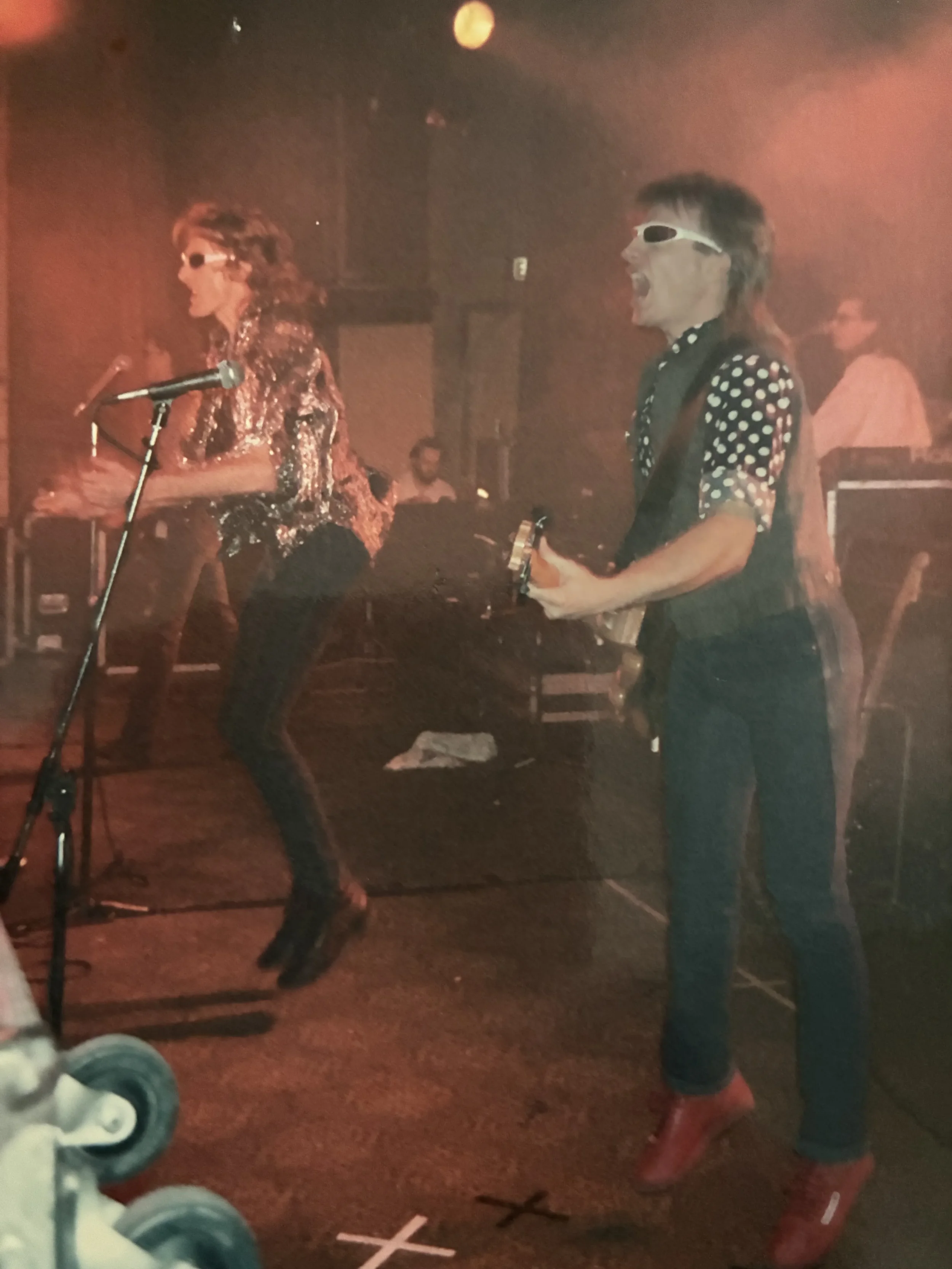
This strange blend of styles, and the fairly rapid fire transitions from one to the next, had created a unique type of rock musician – often quite technically accomplished, with a deep and broad musical palette to draw from and a healthy dose of rock and roll attitude. So, as teens and young adults sought out the thrill of a live music experience, audiences grew quickly, often through word of mouth and random discovery. They filled licensed venues, drinking alcohol way more liberally than today’s youth do. This fuelled the profits of the venues who then reinvested in live music as the drawcard and driver of their profits. At first, it was the pubs and specialized music rooms, with capacities from a few hundred to a thousand, but very soon licensed clubs, particularly the large NSW versions with their significant gambling revenues, saw the opportunity and waded right in, moving those audience numbers upward to two or even three thousand, for the right drawcards.
Gigging actually became a means of generating a stable income, not just for the top echelon of bands but even mid tier artists. There was a LOT of money being generated and the bands benefitted from this windfall, with higher guaranteed fees and, in some cases, a generous share of the door takings.
Investment
Broadly speaking, this was a much simpler time to do business. The regulatory guardrails that exist today around licensing, crowd security, liability and safety were far less onerous in the early ‘80s and therefore far less costly. Rooms that would now be limited to a few hundred punters would be crammed with up to a thousand or more. Responsible service of alcohol was just a vague concept, not a closely monitored requirement, and while that brought with it some obvious problems, the flow of profits ensured that the music economy was well supported. Venues invested in facilities and promotion. Bands invested in better production, larger crews and their own promotion. Booking agencies and management companies sprouted like mushrooms, with some becoming the dominant players in their particular fiefdom.
The major record labels had all done well too, ever since the emergence of the long play album buyer in the late ‘60s, and they had, in many cases, money to burn, which they often did. The label bosses would probably like to think that they were a key driver of the ‘80s phenomenon, but I see them more as beneficiaries. They still randomly, and unimaginatively signed way too many derivative acts that disappeared without trace but, at least for the time being, the windfall from their successes could mask those failures. The biggest windfall of all emerged fairly early on in the decade, with the rise in influence of the music video. Soon there was a race to see who could outspend who on big budget, lavishly produced mini films to support and drive sales of their latest song. David Bowie’s 1980 release Ashes to Ashes was the first to break through the USD $500,000 threshold for a video, but this would be dwarfed as the decade went on, by the likes of Michael Jackson and Madonna, who literally spent millions. There were several Australian directors who were at the forefront, certainly creatively, including Russel Mulcahy (Duran Duran, Elton John), Richard Lowenstein (INXS, U2) and Alex Proyas (INXS, Crowded House) whose company, Meaningful Eye Contact was a partnership with my own brother, Sean.
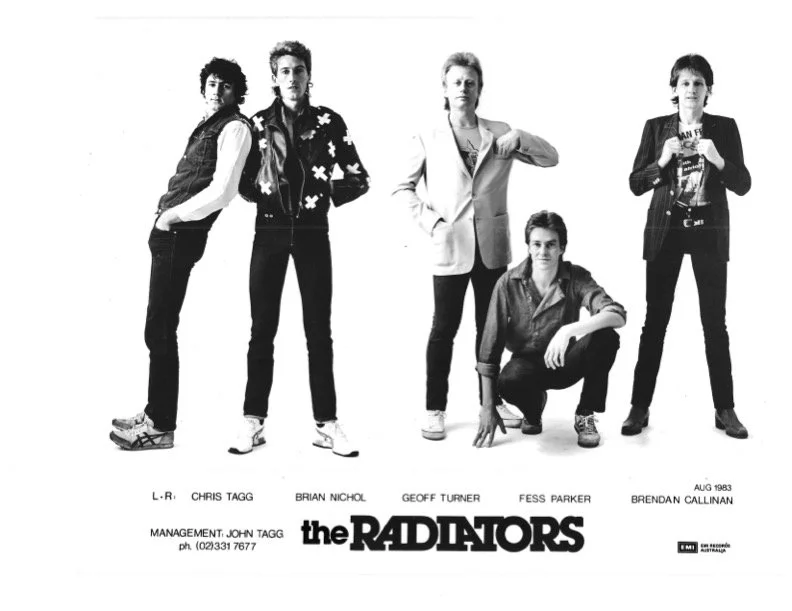
EMI Australia had invested significantly to upgrade their own state of the art recording studio, Studios 301 in Sydney, and their credits through the 80’s included Australian Crawl, Icehouse, Pseudo Echo, The Church and, of course, The Radiators. Such was the studio's reputation that major international acts like Duran Duran and Prince chose to record there. Other studios in other cities expanded and evolved to position Australia, albeit temporarily, as a global leader in this space.
The Radiators move from Powderworks to EMI.
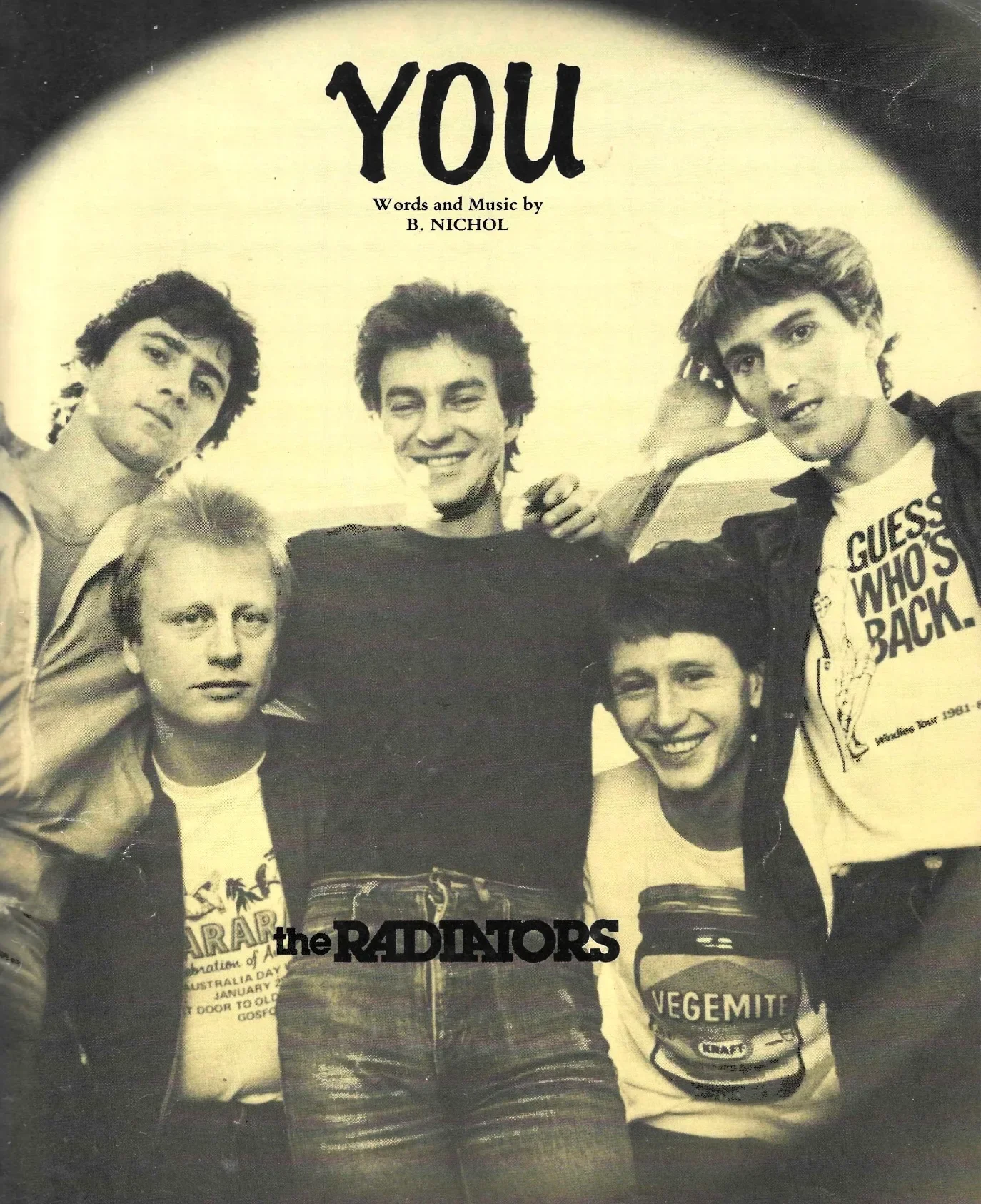
Feeling optimistic, Studio 301 became the Radiators’ home for tracking sessions over three weeks in early 1983. The track ‘You’ became one of the featured songs on the album, Scream of the Real.
“While I have favourite Rads songs from other records, I believe that Scream of the Real is our best overall album. The arrangements are tight, the weakest tracks are still interesting on some level, and the strong songs are right up there with our best.” — Excerpt from ‘Life’s A Gamble’ memoir, Brendan Callinan.
Technology
Along with advancements in multi track recording technology, electronic synthesizers and keyboards had emerged through the early to mid ‘70s. These pioneering instruments were initially monophonic – only allowing one note to be played at a time – but in the late ‘70s both Oberheim and Sequential Circuits produced breakthrough polyphonic products which allowed the user to play chords. From there it was the Japanese companies, most notably Roland, Yamaha and Korg who repackaged this technology into great sounding, easier to use and lower cost keyboard synthesizers, opening up a world of new musical possibilities and inspiring a host of new synth pop and rock styles that really started to dominate music through the middle of the decade. We also saw the emergence of small, portable multi track recorders, including the Tascam Portastudio which allowed 4 track recording to regular cassette tapes. This enabled us to get down song ideas quickly and efficiently. Perhaps the greatest musical invention of the era was the Sony Walkman – a cassette player about the size of a large iphone - the world's first truly portable, personal music listening device. Released in 1979, it sold hundreds of millions of units and paved the way for discmans, ipods and, ultimately, streaming.
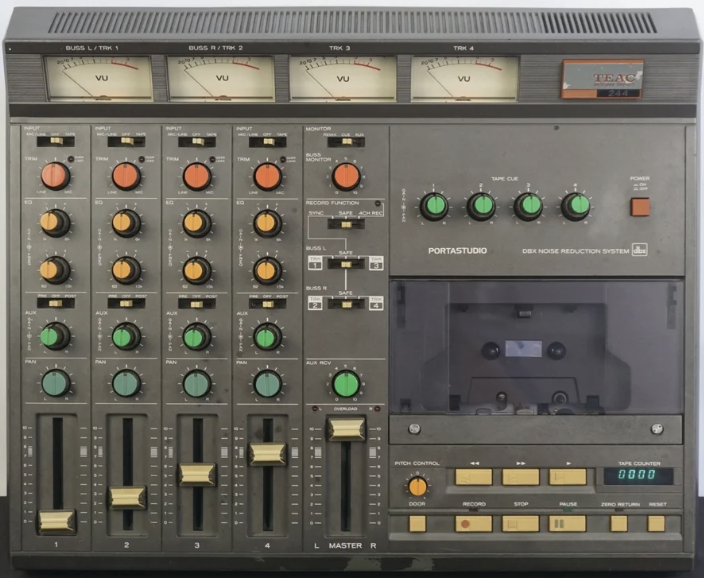
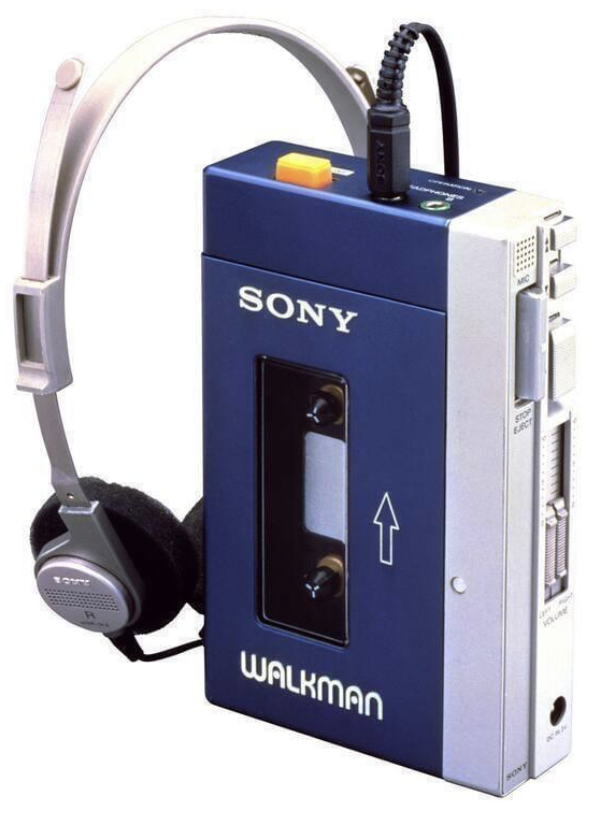
So, we have an explosion in demand for both live and recorded music from young fans, and this is now driving an economy that supports and sustains the supply chain - musicians and recording artists, along with all of the allied services that facilitate what they do. Music based technology is becoming more affordable, accessible and inspirational. What was the last component?
Good luck and/or good management
As I have outlined in my book Life’s A Gamble, the Radiators experienced the highs and the lows of both good and bad luck and good and bad management. This is probably true of most bands and artists in the ‘80s. But many of us undoubtedly benefitted from Australian art becoming the flavour of the day globally. Whether this was film (Mad Max, Crocodile Dundee), visual art (from Brett Whitely to Ken Done) or music (AC/DC, Men at Work, INXS, Crowded House, Midnight Oil, The Church, Real Life, Go Betweens, Hoodoo Gurus and countless others). More Australian bands found overseas chart and touring success throughout the ‘80s than at any other time in our musical history. How much of this can be attributed to the quality of the product and promotion and how much was just down to being Australian at the right time in history, is perhaps fodder for another article, another time.
Most generations look back on the music of their formative years with fondness and connection, but statistically, there was no better time to be an Australian musician trying to make a living and find an audience, than the 1980s, be it in Australia, The UK, Europe or North America. By the ‘90s the steady creep of bureaucracy was reshaping the Australian music industry. The major record labels contracted, leading to a sustained period of austerity, and were ultimately nearly all consolidated into the relatively small number of behemoths that we have today. Venues were scaled back, in both capacity and number, as compliance costs escalated.
By the turn of the new century music and video streaming was emerging and new entertainment options abounded. Musical tastes shifted and social behaviours among young people changed dramatically, just as they had always done from generation to generation, but the shift was clearly away from grass roots live music in pubs and clubs. Large festivals rebounded for a time through the late ‘90s and early 2000s, but they too now appear to be a relic of the past, hamstrung by rising costs and diminishing returns. History has a habit of repeating itself, though. The sustained growth of vinyl sales suggests that younger generations still value tangible connections with music. Perhaps live music will eventually follow the same path. Somewhere in the future it will probably come full circle again and, assuming I’m still around, I will watch on with pleasure, from a safe distance, behind the keyboard.
BC
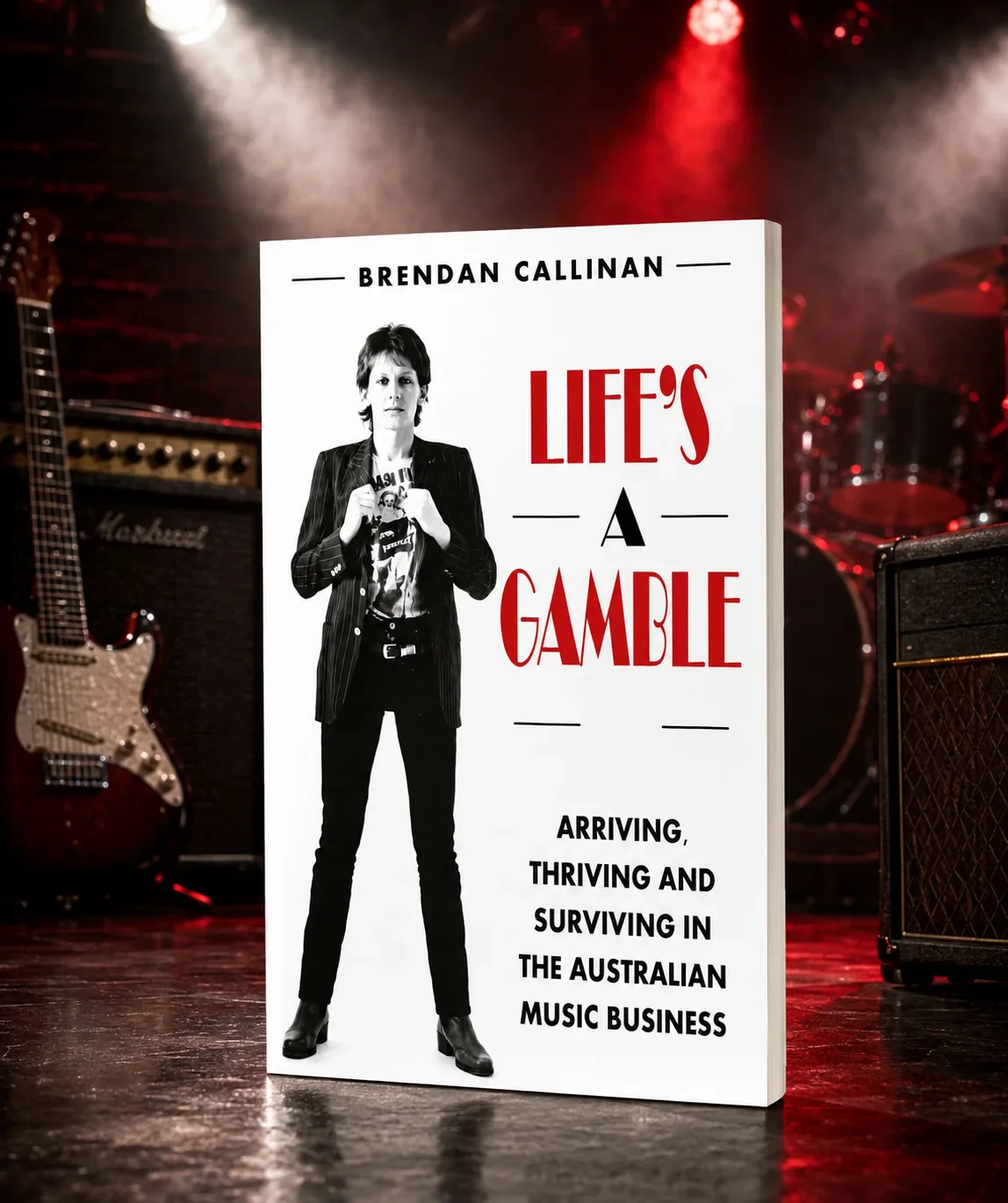
Read THE Full Story
in ‘Life’s A Gamble’
From sold-out stages to life beyond the spotlight, former Radiators keyboardist Brendan Callinan shares the remarkable story behind the music.
Life's a Gamble is an honest, entertaining memoir of resilience, reinvention and surviving the Australian music industry.
